
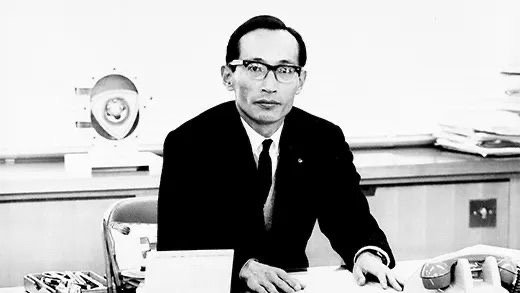
Japan’s reputation for building high-performance, reliable, and technologically advanced cars didn’t happen overnight. Behind the iconic turbocharged sports cars that captured the imagination of enthusiasts worldwide stood a generation of visionary engineers whose innovations transformed the country’s automotive industry.
While legendary models often receive the spotlight, the engineers who developed groundbreaking turbo technology remain the unsung heroes of Japan’s performance revolution.
 WhatsApp Image 2024 07 01 at 13.58.28 4cfca4e0
The Birth of Japan’s Turbo Era
During the late 20th century, Japanese automakers embraced turbocharging as a way to deliver more power while maintaining fuel efficiency and compact engine designs.
This technological shift enabled manufacturers to produce vehicles that combined:
● Greater engine performance
● Improved fuel economy
● Lightweight engineering
● Enhanced driving dynamics
● Reliable everyday usability
● Advanced mechanical innovation
● Global competitiveness
The result was a new generation of performance cars that earned worldwide recognition.
Engineering That Changed the Industry
Behind every successful turbocharged model were teams of dedicated engineers focused on precision and continuous improvement.
Their contributions included:
● High-efficiency turbo systems
● Advanced engine management technology
● Improved cooling solutions
● Lightweight component design
● Durable high-performance materials
● Better emissions control
● Enhanced reliability under demanding conditions
These innovations helped Japanese manufacturers compete with established European and American performance brands.
Japan’s turbo revolution wasn’t simply about creating faster cars it represented a philosophy of intelligent engineering and practical innovation.
The movement influenced:
● Motorsport development
● Consumer vehicle technology
● Automotive research and development
● Manufacturing efficiency
● Global engineering standards
● Fuel-efficient performance solutions
● Future hybrid and electric technologies
Many of the engineering principles developed during the turbo era continue to shape modern vehicles today.
As turbocharged Japanese cars gained popularity around the world, they inspired a passionate community of enthusiasts.
The era became known for:
● Iconic sports coupes
● Performance sedans
● Tunable engines
● Motorsport success
● Customization culture
● Mechanical reliability
● Innovative engineering
These vehicles remain highly sought after by collectors and automotive fans decades after their introduction.
Although certain models became legendary, their success was built on collaboration between engineers, designers, researchers, and manufacturing specialists.
Their shared commitment to quality helped establish Japan as a global leader in automotive technology and inspired future generations of innovators.
Why Japan’s Turbo Revolution Still Matters
1. It Redefined Performance Engineering
Turbocharging proved that compact engines could deliver exceptional power without sacrificing efficiency.
2. It Elevated Japanese Automakers
Innovation and reliability helped Japanese brands gain worldwide respect and expand into international markets.
3. It Inspired Global Automotive Trends
Many modern engine technologies trace their roots to the breakthroughs achieved during Japan’s turbo era.
4. It Created a Lasting Enthusiast Culture
The performance cars of this period continue to influence motorsport, tuning communities, and automotive design worldwide.
Frequently Asked Questions (FAQs)
Q: What was Japan’s turbo revolution?
A: It refers to the period when Japanese automakers widely adopted turbocharged engine technology, creating high-performance vehicles that gained global recognition.
Q: Why were turbocharged cars important?
A: Turbocharging increased engine power and efficiency while allowing manufacturers to produce lighter, more fuel-efficient vehicles.
Q: What made Japanese engineering unique?
A: A strong focus on reliability, precision manufacturing, continuous improvement, and practical innovation helped distinguish Japanese automotive engineering.
Q: Does the turbo revolution still influence today’s cars?
A: Yes. Many modern engine technologies, efficiency improvements, and performance innovations have evolved from the engineering principles established during Japan’s turbo era.
Final Word: Celebrating the Minds Behind the Machines
The story of Japan’s turbo revolution is not only about iconic performance cars but also about the engineers whose creativity and determination transformed an industry.
Their innovations reshaped automotive technology, inspired generations of enthusiasts, and cemented Japan’s reputation as one of the world’s leading centers of engineering excellence a legacy that continues to drive the future of mobility.