
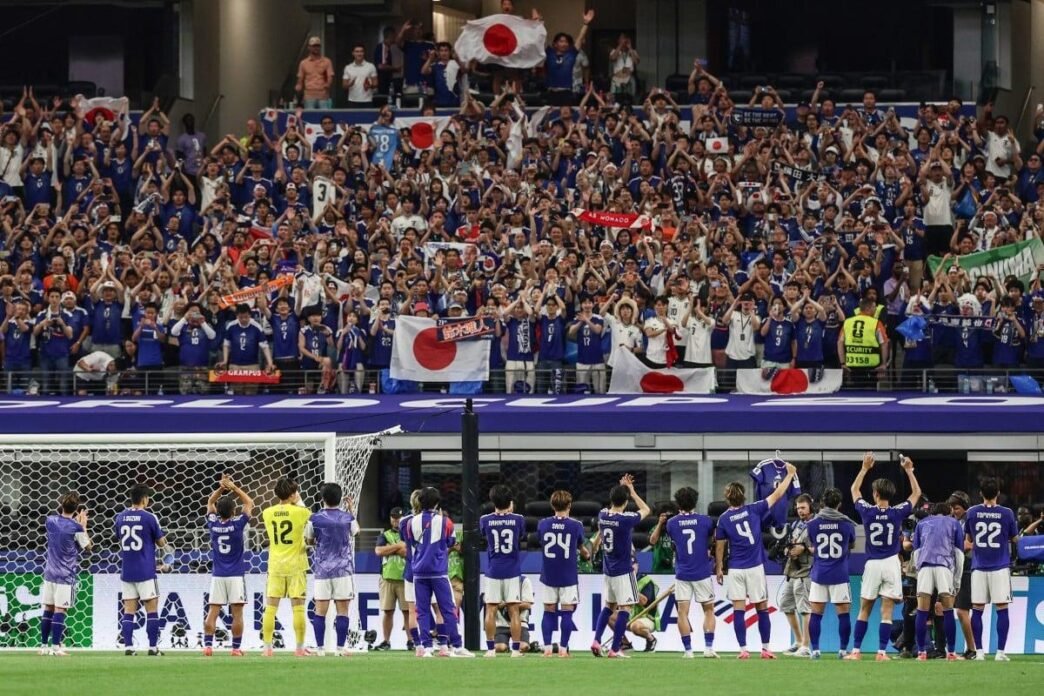
Long after the final whistle had blown, Japan’s football supporters were still making headlines—not for their cheers, but for their actions. Armed with trash bags and a sense of collective responsibility, fans stayed behind to clean the stadium, leaving the stands spotless and earning admiration from spectators around the world.
For many Japanese supporters, this simple gesture is not extraordinary. As they proudly say, “This is our culture.”
 WhatsApp Image 2024 07 01 at 13.58.28 4cfca4e0
Cleaning public spaces is a common practice in Japan, where children often participate in classroom and school cleaning activities from an early age.
This tradition reflects values such as:
● Respect for shared spaces
● Personal responsibility
● Community cooperation
● Discipline and order
● Environmental awareness
● Consideration for others
● Civic pride
These principles naturally extend to sporting events, festivals, and public gatherings.
The stadium cleanup became a symbol of sportsmanship that resonated far beyond the match itself.
Fans demonstrated that supporting a team also means:
● Respecting the host venue
● Helping event staff
● Setting a positive example
● Promoting sustainability
● Building community spirit
● Celebrating with humility
● Leaving a lasting positive impression
Their actions received widespread praise from fellow supporters and organizers alike.
A Global Example of Civic Responsibility
Japan’s supporters have earned international recognition for repeating this gesture at multiple major tournaments.
Their commitment highlights how small individual actions can create a meaningful collective impact by:
● Reducing waste
● Encouraging volunteerism
● Inspiring other fans
● Promoting cleaner public spaces
● Strengthening cultural understanding
● Supporting environmental responsibility
● Enhancing the sporting experience
The tradition has become one of the most admired stories in international football.
Culture Reflected Through Actions
For many Japanese fans, cleaning the stadium is not about seeking attention or recognition. It is simply an extension of everyday values that emphasize caring for shared environments and respecting others.
This mindset reinforces the idea that true sportsmanship is measured not only by performance on the field but also by conduct in the stands.
Why This Story Inspires Millions
1. It Showcases Respect in Action
Supporters demonstrated that responsibility continues even after the match ends.
2. It Reflects Japanese Values
The cleanup tradition embodies discipline, cooperation, and community-minded thinking.
3. It Encourages Sustainable Habits
Small actions by many people can significantly reduce waste and improve public spaces.
4. It Strengthens the Spirit of Sport
The gesture reminds fans worldwide that football is about unity, respect, and shared experiences.
Frequently Asked Questions (FAQs)
Q: Why do Japan’s football fans clean the stadium?
A: The practice reflects cultural values of respect, responsibility, and keeping shared spaces clean, which are taught from a young age in Japan.
A: No. Japanese supporters have been recognized for cleaning stadiums at several major international sporting events over the years.
Q: Why has the gesture received global attention?
A: It highlights sportsmanship and civic responsibility, inspiring fans around the world to adopt similar habits.
Q: What message does this action send?
A: It demonstrates that respect for others and the environment is just as important as supporting a team.
Final Word: A Victory for Values
While goals and trophies capture headlines, Japan’s supporters continue to prove that the greatest moments in sport can happen off the field. Their simple act of cleaning the stadium is a powerful reminder that respect, responsibility, and community spirit are values that transcend competition and inspire the world long after the match is over.