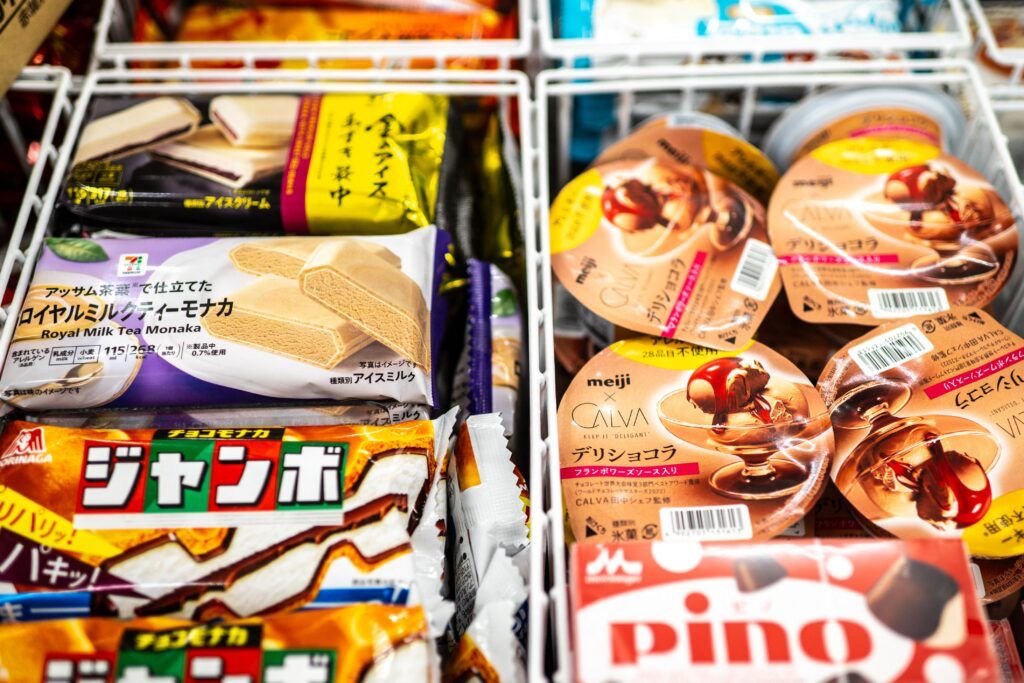
As summer approaches and demand for frozen treats begins to soar, Japanese authorities have launched an investigation into six major ice cream manufacturers over allegations that they coordinated price increases. The raids, carried out by competition regulators, are part of an effort to determine whether the companies violated Japan’s antitrust laws by engaging in price-fixing practices.
If proven, the case could become one of the country’s most significant food industry competition investigations in recent years.
 WhatsApp Image 2024 07 01 at 13.58.28 4cfca4e0
Authorities Probe Alleged Price Collusion
According to investigators, the companies are suspected of coordinating retail price increases instead of competing independently in the marketplace.
The investigation aims to determine whether the firms:
● Shared pricing information
● Coordinated price hikes
● Reduced market competition
● Influenced retail pricing strategies
● Violated fair trade regulations
● Limited consumer choice
● Gained unfair market advantages
Officials are reviewing documents and business practices as part of the ongoing inquiry.
The investigation comes just before the peak summer season, when ice cream sales traditionally reach their highest levels across Japan.
Higher temperatures typically lead to:
● Increased consumer demand
● Seasonal product launches
● Greater retail competition
● Higher production volumes
● Expanded promotional campaigns
● Rising sales nationwide
● Strong industry revenues
Any coordinated pricing could directly affect millions of consumers during this busy period.
Japan maintains strict competition laws designed to ensure businesses compete fairly and consumers benefit from competitive pricing.
Antitrust enforcement helps:
● Prevent monopolistic behavior
● Encourage innovation
● Keep markets competitive
● Protect consumer interests
● Promote business transparency
● Support economic fairness
● Maintain market confidence
Authorities have emphasized that investigations are conducted thoroughly before any conclusions are reached.
Potential Impact on the Food Industry
The outcome of the case could influence business practices across Japan’s food and consumer goods sectors.
Industry observers suggest it may lead to:
● Greater regulatory oversight
● Enhanced corporate compliance
● Improved pricing transparency
● Stronger competition policies
● Increased consumer awareness
● Internal business reforms
● Higher accountability standards
Companies involved are expected to cooperate with the investigation while regulators continue their review.
1. It Highlights Consumer Protection
Competition laws exist to ensure customers pay fair market prices rather than artificially inflated ones.
2. It Reinforces Fair Business Practices
The investigation underscores the importance of healthy competition in major industries.
3. It Could Shape Future Regulations
The case may encourage stronger compliance measures throughout Japan’s food sector.
4. It Impacts Millions of Consumers
Ice cream is one of Japan’s most popular summer products, making pricing practices especially significant during peak demand.
Frequently Asked Questions (FAQs)
Q: Why are Japanese authorities investigating ice cream companies?
A: Regulators suspect that six major manufacturers may have coordinated price increases, potentially violating competition laws.
A: Price-fixing occurs when competing companies agree on prices instead of allowing market competition to determine them independently.
Q: Have the companies been found guilty?
A: No. The investigation is ongoing, and authorities are gathering evidence before reaching any conclusions.
Q: Why is the investigation happening before summer?
A: Summer is the busiest season for ice cream sales in Japan, meaning any coordinated price increases could affect a large number of consumers.
Final Word: Competition Under the Spotlight
As Japan enters its peak ice cream season, regulators are taking a closer look at how prices are set in one of the country’s most popular food markets. The investigation into alleged price collusion reflects a broader commitment to protecting fair competition and consumer interests, ensuring that businesses compete through innovation and quality rather than coordinated pricing strategies.