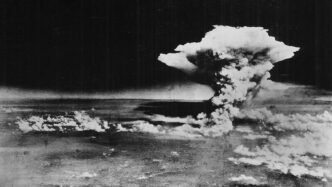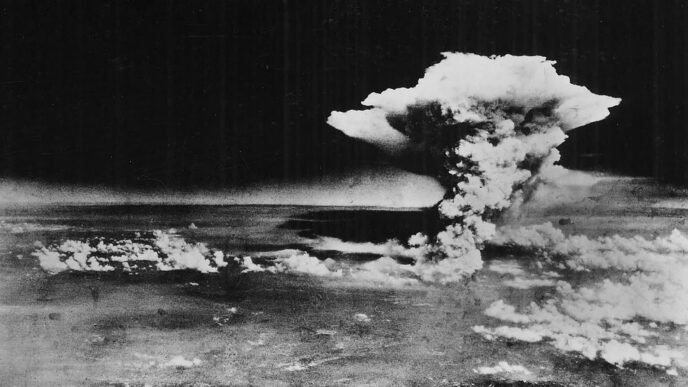
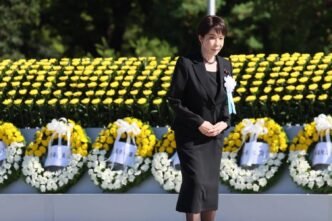
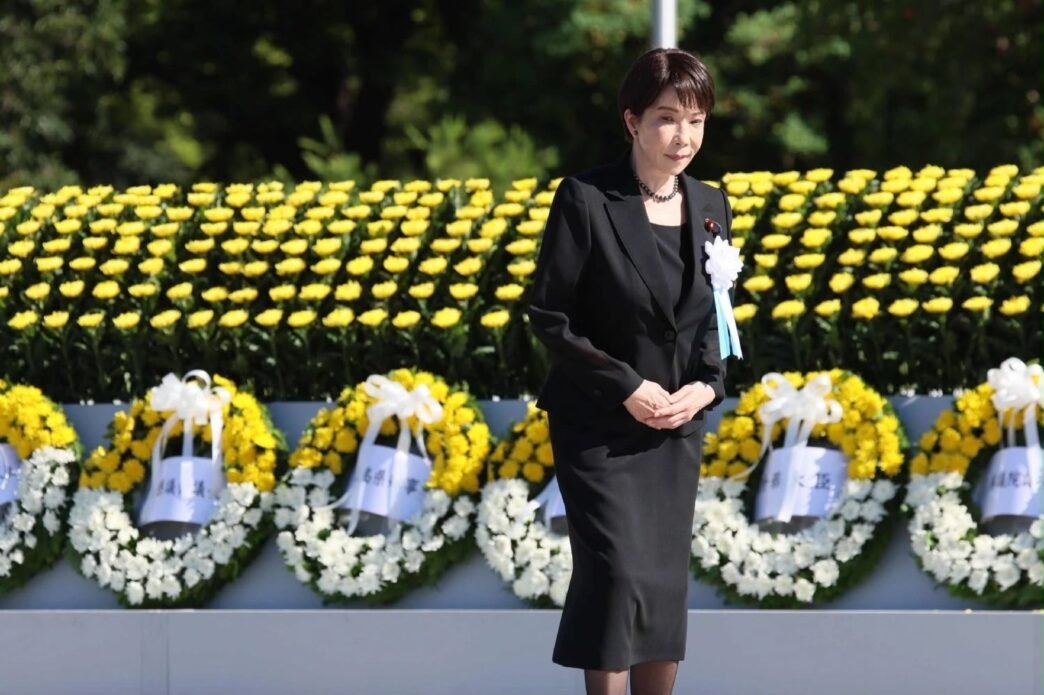
Japanese Prime Minister Sanae Takaichi reaffirmed Japan’s commitment to its longstanding non-nuclear principles during commemorations marking the anniversary of the atomic bombing of Hiroshima. Speaking at memorial events honoring the victims of the 1945 bombing, Takaichi emphasized Japan’s determination to uphold the principles of not possessing, not producing, and not permitting the introduction of nuclear weapons into the country.
The anniversary ceremony at Hiroshima Peace Memorial Park brought together survivors, families of victims, government representatives, and international guests to remember those who lost their lives and to renew calls for a more peaceful world. The event also served as a reminder of the devastating humanitarian consequences of nuclear weapons.
 WhatsApp Image 2024 07 01 at 13.58.28 4cfca4e0
Reaffirming Japan’s Peace Commitment
Takaichi stressed that Japan, as the only country to have experienced atomic bombings in war, has a special responsibility to advocate for peace and nuclear restraint.
Key points included:
● Reaffirmation of Japan’s three non-nuclear principles
● Tribute to victims of the Hiroshima atomic bombing
● Call for continued efforts toward global peace and security
● Recognition of Hiroshima’s role as a symbol of peace
● Emphasis on passing the memories of the bombing to future generations
● Support for international dialogue on nuclear disarmament
Her remarks highlighted the importance of preserving the testimony of survivors and ensuring that the lessons of Hiroshima remain relevant for future generations.
Every year on August 6, Hiroshima holds memorial ceremonies to remember the victims of the atomic bombing and to promote peace and nuclear disarmament. The city has become an international symbol of the need to prevent the use of nuclear weapons and to strengthen global efforts toward peace.
The anniversary comes at a time of continuing international debate over nuclear deterrence, arms control, and regional security, making Japan’s message particularly significant.
1. Preserving Historical Memory The Hiroshima anniversary honors the victims and keeps the memory of the atomic bombing alive.
2. Supporting Nuclear Restraint Japan reaffirmed its commitment to its non-nuclear principles.
3. Promoting Global Peace The ceremony encouraged continued international dialogue on peace and disarmament.
4. Educating Future Generations Leaders emphasized the importance of passing on the experiences of Hiroshima’s survivors.
On the anniversary of the Hiroshima atomic bombing, Sanae Takaichi reaffirmed Japan’s commitment to its non-nuclear principles and its enduring pursuit of peace. The commemorations served both as a solemn remembrance of the victims and as a renewed call for a world in which the tragedy of nuclear warfare is never repeated.