
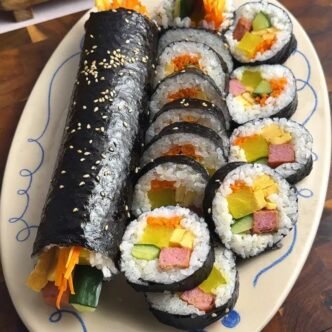
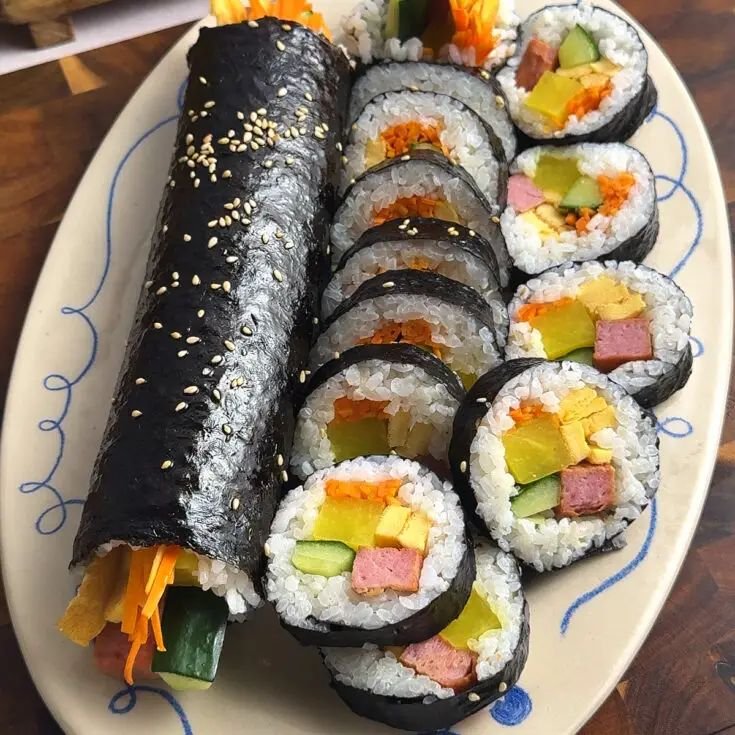
South Korea’s beloved gimbap has long been a staple of everyday life, enjoyed as a convenient meal, picnic favorite, or quick snack. Today, however, a new generation of chefs and food enthusiasts is giving this classic dish a fresh identity by blending traditional techniques with regional ingredients and modern flavors.
Their goal is simple: preserve the essence of gimbap while introducing it to a wider global audience through creativity and innovation.
 WhatsApp Image 2024 07 01 at 13.58.28 4cfca4e0
A Classic Dish with Endless Possibilities
Traditionally made with seasoned rice, vegetables, and proteins wrapped in seaweed, gimbap has become one of Korea’s most recognizable comfort foods.
Its timeless appeal comes from:
● Balanced flavors
● Fresh ingredients
● Portable convenience
● Colorful presentation
● Nutritional variety
● Family-friendly recipes
● Cultural significance
These qualities have made it a favorite across generations.
Innovation Inspired by Local Flavors
Modern gimbap creators are experimenting with ingredients that reflect regional traditions and international tastes.
Popular innovations include:
● Local vegetables and herbs
● Premium seafood fillings
● Plant-based alternatives
● Regional spices and sauces
● Artisan rice blends
● Seasonal ingredients
● Fusion-inspired combinations
These creative interpretations allow chefs to maintain tradition while appealing to new audiences.
Taking Korean Cuisine to the World
The growing popularity of Korean culture has sparked international interest in authentic Korean food, and gimbap is emerging as one of its most accessible ambassadors.
Its global appeal is driven by:
● Simple yet satisfying recipes
● Healthy ingredient choices
● Easy customization
● Visual presentation
● Street food culture
● Home cooking trends
● Social media popularity
Restaurants and food creators around the world are now introducing their own unique versions while respecting the dish’s origins.
Preserving Tradition Through Creativity
Rather than replacing the classic recipe, many chefs see innovation as a way to celebrate and sustain Korean culinary heritage.
Their approach focuses on:
● Honoring traditional techniques
● Supporting local farmers
● Encouraging culinary experimentation
● Promoting cultural exchange
● Inspiring younger generations
● Expanding international appreciation
● Keeping heritage cuisine relevant
This balance between tradition and innovation is helping gimbap evolve without losing its identity.
1. It Celebrates Korean Culture
Gimbap continues to serve as a symbol of everyday Korean life while reaching new audiences worldwide.
2. It Encourages Culinary Creativity
Chefs are finding new ways to express local identity through a familiar and beloved dish.
3. It Supports Global Food Exchange
Innovative recipes create opportunities for cultural understanding through cuisine.
Modern interpretations help introduce classic Korean flavors to future generations.
Frequently Asked Questions (FAQs)
A: Gimbap is a traditional Korean dish made with seasoned rice, vegetables, and various fillings rolled in seaweed and sliced into bite-sized pieces.
Q: Why is gimbap becoming more popular globally?
A: Its healthy ingredients, versatility, portability, and connection to Korean culture have made it increasingly popular among international food lovers.
Q: How are chefs reinventing gimbap?
A: They are incorporating regional ingredients, fusion flavors, plant-based options, and creative presentations while preserving the dish’s traditional foundation.
Q: Does innovation change the identity of gimbap?
A: Most chefs view innovation as a way to celebrate and expand the tradition, allowing the dish to evolve while maintaining its cultural roots.
Final Word: A Roll That Connects Tradition and Innovation
From humble lunchboxes to gourmet kitchens, gimbap is proving that classic recipes can continue to evolve without losing their essence. As chefs and food enthusiasts experiment with new flavors and local influences, South Korea’s iconic roll is finding fresh expressions and inspiring people around the world to discover the rich traditions behind every bite.