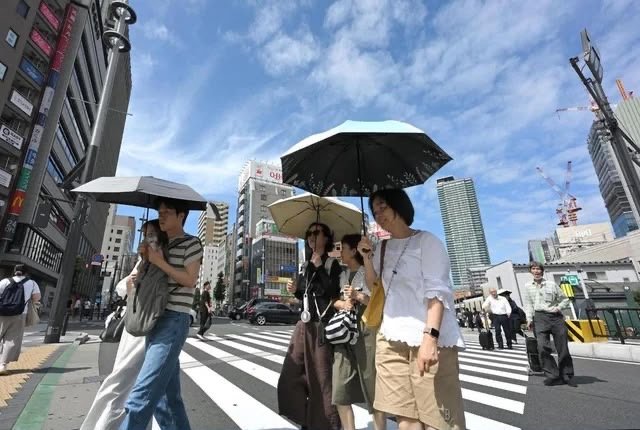
Japan has officially declared the end of the rainy season nationwide, signaling the arrival of peak summer across the country. With the conclusion of the annual rainy period, residents can expect rising temperatures, stronger sunshine, and an increased risk of heat-related illnesses in the weeks ahead.
The end of the rainy season marks an important seasonal transition in Japan, influencing daily life, agriculture, tourism, and outdoor activities.
 WhatsApp Image 2024 07 01 at 13.58.28 4cfca4e0
Following weeks of humid and rainy conditions, much of the country is now entering its hottest time of the year.
Typical changes include:
● Higher daytime temperatures
● Increased humidity in many regions
● Longer periods of sunshine
● Greater risk of heatstroke
● More outdoor festivals and events
● Peak travel season begins
● Increased demand for cooling measures
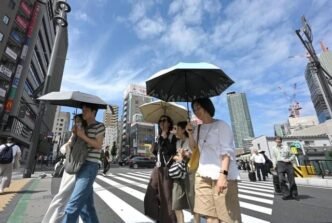
Authorities are encouraging residents to stay hydrated and take precautions during periods of extreme heat.
What the End of the Rainy Season Means
The conclusion of the rainy season brings both opportunities and challenges.
Key impacts include:
● Improved conditions for travel and tourism
● Better weather for outdoor recreation
● Harvest and agricultural activities resume in many areas
● Higher electricity demand due to air conditioning
● Increased wildfire risk in some regions
● Continued monitoring for tropical storms and typhoons
● Start of Japan’s busiest summer festival season
While rainfall decreases, attention shifts to managing summer heat and preparing for the Pacific typhoon season.
Health officials recommend taking extra precautions as temperatures continue to rise.
Safety tips include:
● Drink plenty of water throughout the day
● Avoid prolonged exposure to direct sunlight
● Wear lightweight, breathable clothing
● Use hats and sunscreen outdoors
● Take regular breaks in air-conditioned spaces
● Check on elderly family members and vulnerable people
● Follow official weather and heat advisories
These simple measures can help reduce the risk of heat-related illnesses.
The end of the rainy season marks the official beginning of Japan’s peak summer period.
Residents should prepare for hotter weather and increased humidity.
Clearer skies support travel, cultural events, and summer festivals across the country.
4. Continued Weather Awareness
Although the rainy season has ended, Japan now enters the typhoon season, requiring continued weather preparedness.
The official end of Japan’s rainy season signals the start of a vibrant but demanding summer. As sunshine replaces weeks of persistent rain, residents and visitors can look forward to festivals, travel, and outdoor activities while remaining mindful of the challenges posed by high temperatures and the approaching typhoon season.