

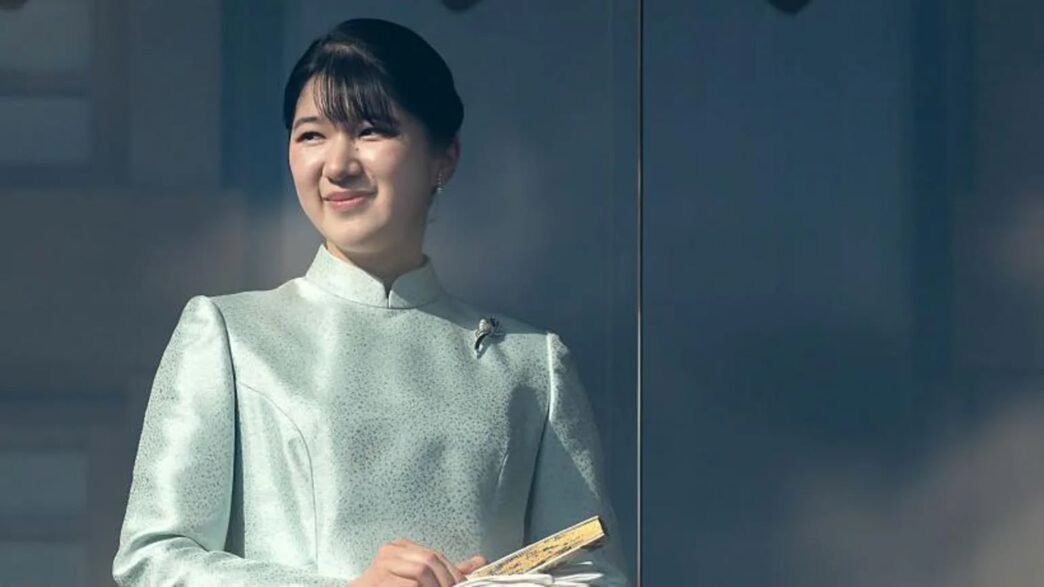
Japan has introduced changes to its royal succession framework, easing certain rules surrounding the Imperial Family while maintaining the long-standing ban on female emperors. The decision is part of ongoing efforts to address the shrinking size of Japan’s royal family, even as the core succession law allowing only male heirs in the paternal line to ascend the Chrysanthemum Throne remains unchanged.
The reforms are intended to help the Imperial Family continue fulfilling its public duties as the number of working royals declines. However, by leaving the succession law intact, the government has kept alive a long-running national debate over whether women should be permitted to inherit the throne.
 WhatsApp Image 2024 07 01 at 13.58.28 4cfca4e0
Addressing Challenges Facing the Imperial Family
The revised measures focus on supporting the functioning of the Imperial Family without altering the traditional line of succession.
Key highlights include:
● Relaxation of selected royal family rules
● Continued restriction of the throne to male heirs
● Efforts to address the shrinking Imperial Family
● Preservation of traditional succession principles
● Ongoing debate over future constitutional reforms
● Focus on ensuring the monarchy’s long-term stability
The changes aim to balance practical concerns with Japan’s historic imperial traditions.
Why Female Emperors Remain Off the Table
Japan’s Imperial House Law currently limits succession to male descendants in the paternal line. Although opinion polls over the years have often shown public support for allowing female emperors, successive governments have approached the issue cautiously, citing the importance of preserving the traditional imperial lineage.
As a result, the latest reforms stop short of changing the succession system itself.
The future of Japan’s monarchy remains an important public and political issue. With fewer male heirs available to inherit the throne, discussions are expected to continue over how to ensure the long-term stability of one of the world’s oldest hereditary monarchies while respecting constitutional and historical traditions.
1. Preserving the Imperial Institution
The reforms aim to help the Imperial Family continue its public responsibilities.
2. Succession Debate Continues
The ban on female emperors remains one of Japan’s most discussed constitutional issues.
3. Balancing Tradition and Change
Japan continues to seek solutions that address modern challenges while respecting centuries-old customs.
4. Long-Term Stability
The future of the monarchy depends on finding sustainable ways to support the Imperial Family.
Japan’s latest reforms represent a measured effort to strengthen the functioning of the Imperial Family without changing the country’s traditional succession system. While the relaxation of certain royal rules addresses immediate practical concerns, the decision to maintain the ban on female emperors ensures that the debate over the future of the Japanese monarchy is far from over.