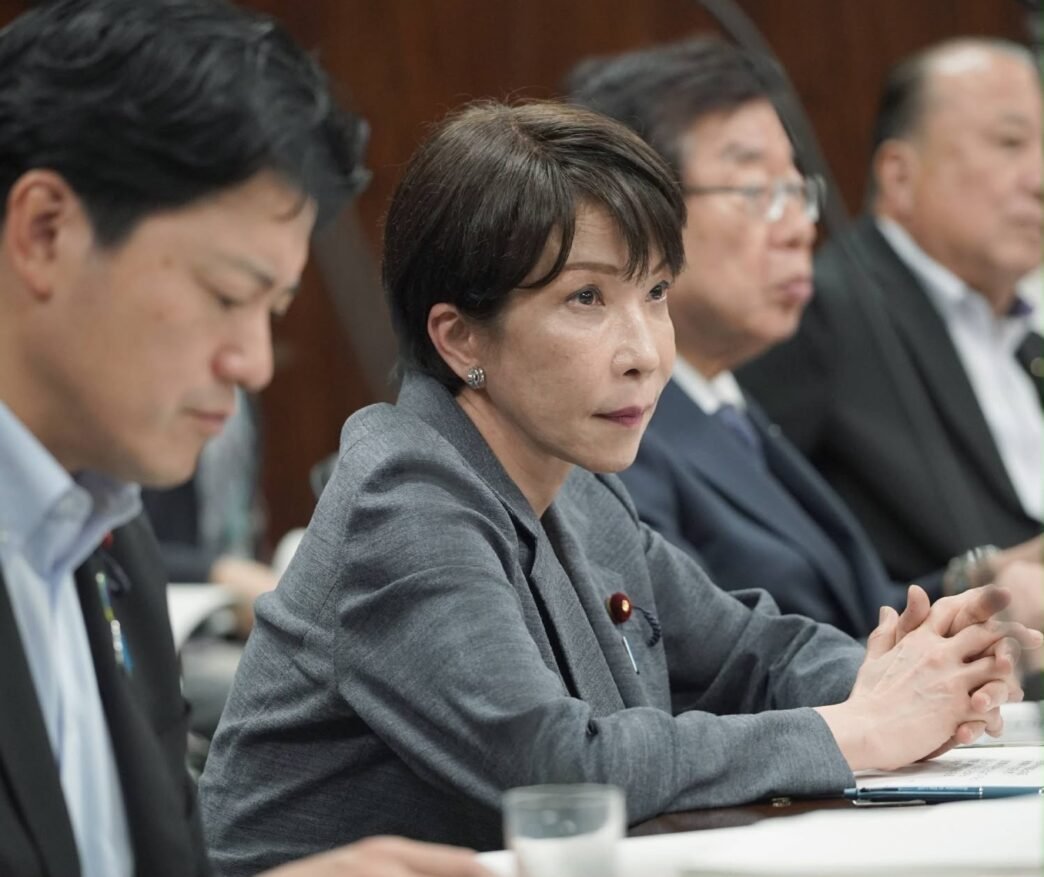
Japanese Prime Minister Sanae Takaichi has offered a rare and personal insight into the realities of leading the country, revealing that she often survives on just zero to three hours of sleep while juggling official responsibilities and household chores. In a candid post on X, Takaichi described long days spent reviewing key government policy documents, responding to thousands of emails, and preparing for parliamentary work before returning home to everyday tasks such as laundry, ironing, cleaning, and sewing.
The Prime Minister said that since taking office, getting a full night’s sleep has become a rarity. She noted that sleeping five hours on Marine Day, a national holiday in Japan, felt like a welcome break after weeks of intensive work. Alongside government responsibilities, she shared that she used the holiday to catch up on ironing clothes, repairing garments, and completing household chores that had accumulated during her busy schedule.
 WhatsApp Image 2024 07 01 at 13.58.28 4cfca4e0
A Glimpse Behind Political Leadership
Takaichi’s post highlighted the demanding pace of life at the highest level of government.
Key highlights included:
● Sleeping between zero and three hours on most days
● Reviewing economic and growth policy documents over weekends
● Preparing for Diet sessions and handling official correspondence
● Managing household chores during limited personal time
● Using a public holiday to catch up on rest and daily tasks
● Sharing a more personal side of political leadership
The post offered a glimpse into the balance between public office and private responsibilities rarely shared by world leaders.
The Prime Minister’s remarks sparked varied reactions online. Some praised her dedication and commitment to public service, while others expressed concern about the health risks associated with chronic sleep deprivation. The post also renewed discussions about Japan’s demanding work culture and whether political leaders should model healthier work-life practices.
1. Humanising Political Leadership
The post showed a personal side of the Prime Minister beyond official duties.
2. Spotlight on Work Culture
It reignited conversations about long working hours and leadership expectations in Japan.
3. Public Health Awareness
Experts generally recommend that adults get significantly more sleep than the routine described by the Prime Minister, highlighting the importance of adequate rest.
4. Leadership Under Pressure
The disclosure illustrates the intense workload involved in managing national affairs while balancing everyday responsibilities.
Sanae Takaichi’s candid account offered an uncommon look at the personal demands of serving as Japan’s Prime Minister. Beyond the headlines about limited sleep and household chores, her remarks have sparked a broader conversation about leadership, work culture, and the importance of balancing public service with personal well-being.