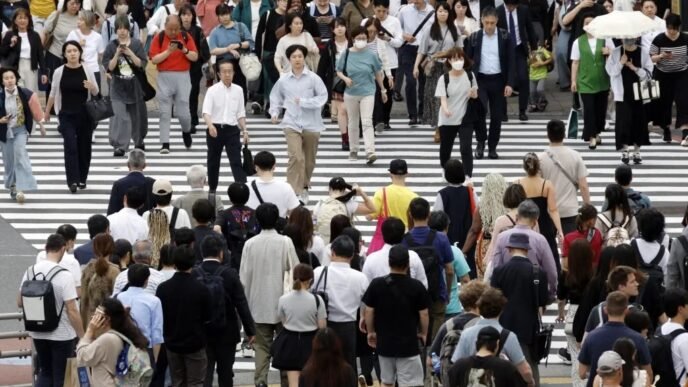
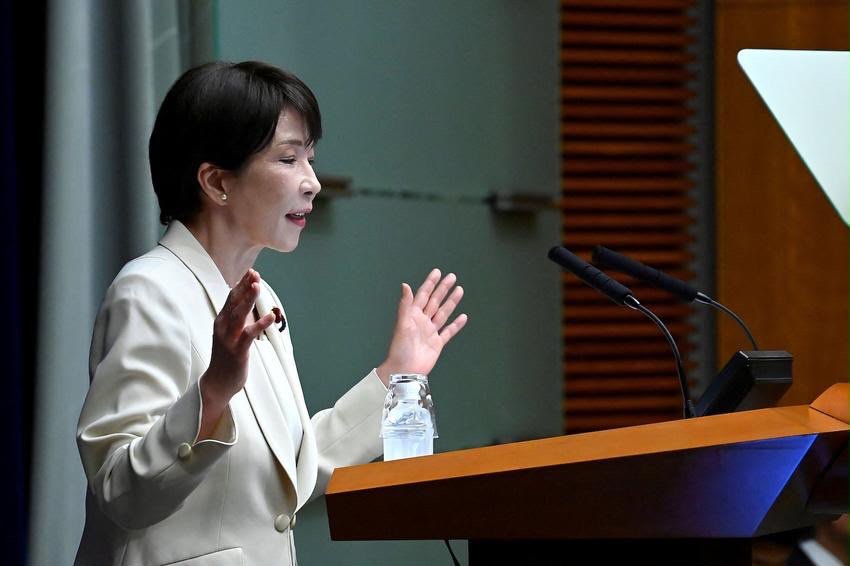
Japanese Prime Minister Sanae Takaichi has announced plans to reduce the consumption tax on food items from 8% to 1% for a temporary period of two years, aiming to ease the burden of rising living costs on households. The proposed tax cut is expected to begin in April 2027, pending legislative approval, and forms a key part of the government’s efforts to address inflation and support consumers.
The proposal is one of the most significant changes to Japan’s consumption tax system in decades and fulfills a major campaign pledge made by Takaichi during the general election.
 WhatsApp Image 2024 07 01 at 13.58.28 4cfca4e0
Temporary Relief for Households
The government says the measure is intended to reduce grocery costs while maintaining long-term fiscal responsibility.
Key features of the proposal include:
● Food consumption tax reduced from 8% to 1%
● Planned implementation from April 2027
● Temporary two-year measure
● Designed to ease inflation and rising living costs
● Additional support planned for lower-income households
● Tax expected to return to 8% after two years
● Legislation expected to be submitted to Parliament later this year
Officials say a 1% rate was chosen instead of a full exemption because it would be easier for retailers and payment systems to implement.
Balancing Relief and Fiscal Responsibility
While the proposal has been welcomed by many consumers, economists and lawmakers have raised concerns about its impact on government finances.
Key issues include:
● Reduced government tax revenue
● Questions over long-term fiscal sustainability
● Debate over funding sources
● Concerns about Japan’s growing public debt
● Potential effects on financial markets
● Political debate over future tax policy
● Calls for targeted support alongside tax relief
Prime Minister Takaichi has said the tax cut will not be financed through additional deficit-financing bonds and has pledged to restore the normal tax rate after the temporary relief period.
Why This Matters
The tax cut aims to reduce the cost of food for households facing persistent inflation.
2. Major Economic Policy
It represents the first reduction in Japan’s consumption tax since the system was introduced in 1989.
3. Political Significance
The proposal fulfills a key campaign promise made by Prime Minister Takaichi.
4. Fiscal Debate
The plan has intensified discussions over how Japan can balance economic relief with maintaining healthy public finances.
Prime Minister Sanae Takaichi’s proposal to reduce Japan’s food consumption tax to 1% marks a significant effort to ease pressure on households grappling with higher living costs. If approved by Parliament, the temporary measure could provide meaningful short-term relief while continuing to spark debate over Japan’s long-term fiscal strategy and economic priorities.