
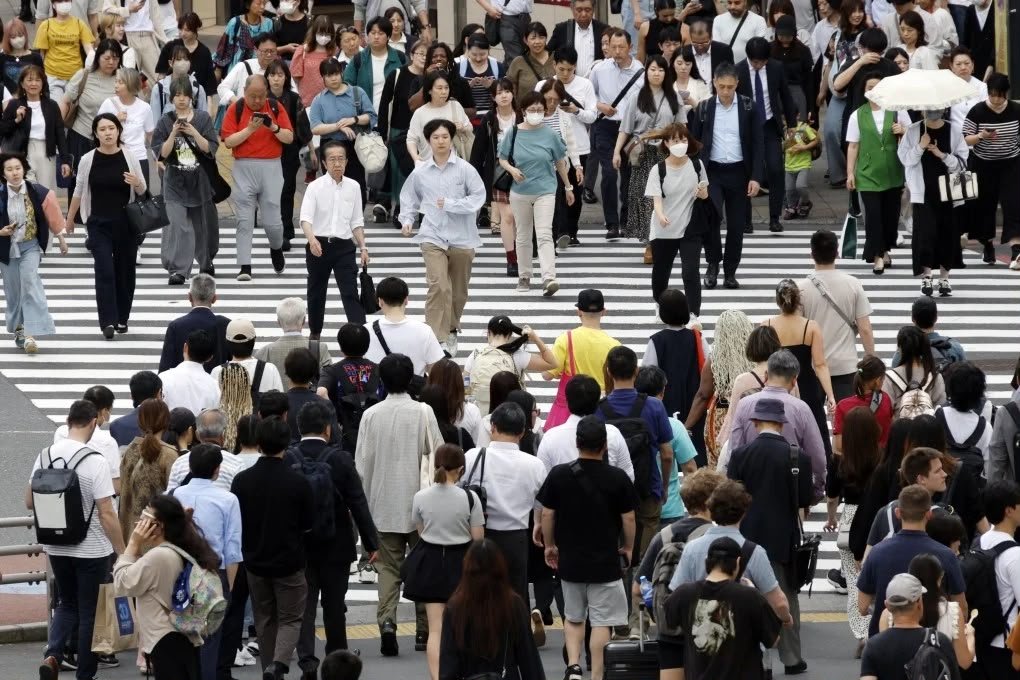
Japan’s population has fallen below 120 million for the first time in 42 years, underscoring the country’s worsening demographic crisis. According to government data, the number of Japanese citizens stood at 119.74 million as of January 1, a decline of 0.76% from the previous year and the 17th consecutive annual population decline since the population peaked in 2009.
While the native population continues to shrink, the number of foreign residents has reached a record high, bringing Japan’s total population to 123.8 million. With a median age of 49.9 years, Japan remains one of the world’s oldest societies.
 WhatsApp Image 2024 07 01 at 13.58.28 4cfca4e0
Birth Rates Continue to Fall
Japan’s demographic challenges are being driven by persistently low birth rates and an ageing population.
Key developments include:
● Japanese population falls below 120 million
● 17th consecutive year of population decline
● Fertility rate drops to a record low of 1.14 children per woman
● More than 670,000 births recorded in 2025 the lowest since 1899
● Rising proportion of elderly citizens
● Record number of foreign residents
● Median age reaches 49.9 years
The declining birth rate has become one of Japan’s most pressing long-term policy challenges.
Economic and Social Impact
A shrinking population is creating significant economic pressures across the country.
Major concerns include:
● Growing labour shortages across industries
● Rising pension and healthcare costs
● Shrinking tax base
● Increased pressure on public finances
● Depopulation of rural communities
● Greater demand for automation and AI
● Slower long-term economic growth
Experts say reversing these demographic trends will require sustained policy efforts over many years.
Innovative Measures to Boost Births
To encourage marriage and family formation, governments have introduced new initiatives, including technology-driven solutions.
Recent measures include:
● Tokyo’s AI-powered matchmaking app launched in 2024
● Identity and marital status verification for users
● Hundreds of couples successfully matched and married
● Expanded family support programmes
● Childcare assistance initiatives
● Work-life balance reforms
● Incentives aimed at raising birth rates
Officials hope these efforts will help address the country’s declining fertility over time.
Why This Matters
1. Historic Population Milestone
Japan’s population has fallen below 120 million for the first time in over four decades.
2. Record-Low Birth Rate
The country’s fertility rate continues to decline, raising concerns about future population growth.
3. Economic Challenges
Labour shortages and rising social welfare costs are placing increasing pressure on the economy.
4. Search for Solutions
Japan is exploring innovative approaches, including AI-powered matchmaking and family support policies, to address its demographic crisis.
Final Word
Japan’s population decline below 120 million marks a significant demographic turning point. With fewer births, an ageing society, and increasing economic pressures, the country faces one of its greatest long-term challenges. While initiatives such as AI-assisted matchmaking and expanded family support reflect efforts to reverse the trend, rebuilding population growth is expected to require sustained social, economic, and policy changes over the coming decades.