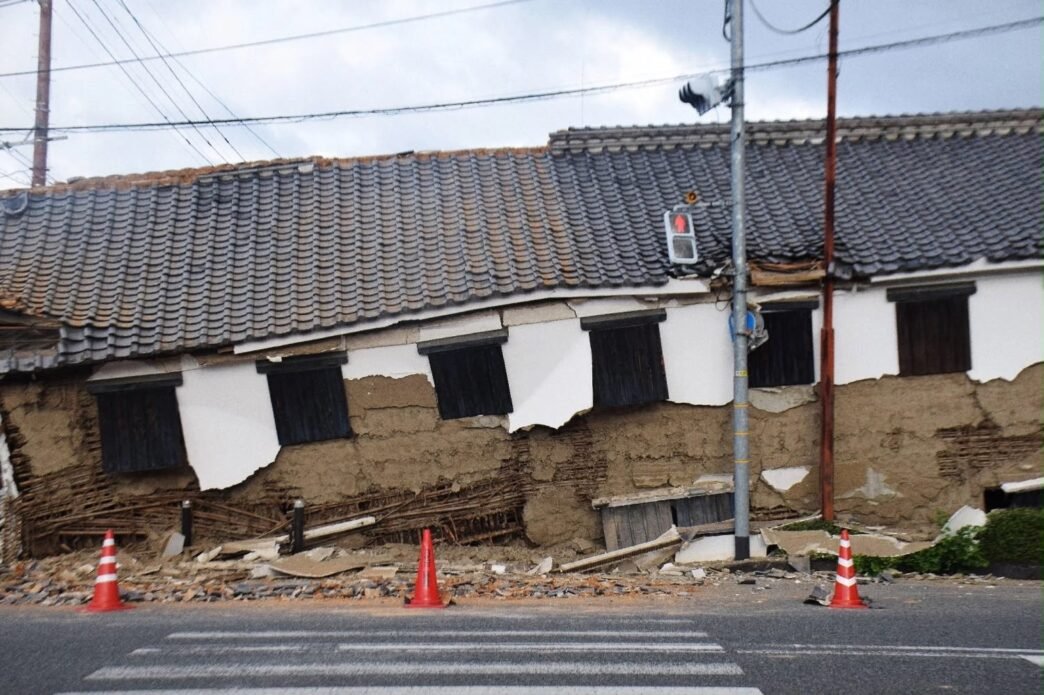
Japanese authorities have confirmed that 53 cultural properties were damaged by the Kumamoto earthquake, highlighting the significant impact of natural disasters on the country’s historic and cultural heritage. The affected properties include temples, shrines, historic buildings, and other culturally important structures across Kumamoto Prefecture.
Officials from Japan’s cultural and heritage agencies are conducting detailed inspections to assess the extent of the damage and determine the restoration work required. Emergency stabilization measures have already begun at several sites to prevent further deterioration.
 WhatsApp Image 2024 07 01 at 13.58.28 4cfca4e0
The earthquake caused varying levels of damage to important heritage sites.
Key highlights include:
● 53 cultural properties confirmed damaged
● Temples, shrines, and historic buildings affected
● Detailed inspections underway across Kumamoto Prefecture
● Emergency stabilization work initiated
● Restoration planning in progress
● Focus on preserving cultural and historical value
Authorities emphasized that protecting these sites is a priority because they represent an important part of Japan’s history and identity.
Preserving Kumamoto’s Heritage
Kumamoto is home to numerous historic landmarks, including structures that have survived for centuries. Earthquakes pose a particular challenge for heritage conservation in Japan, where many traditional buildings were constructed using materials and techniques that require specialized restoration.
Experts are expected to use traditional craftsmanship and conservation methods wherever possible to preserve the authenticity of the damaged properties.
1. Protecting Cultural Heritage Historic sites are irreplaceable records of Japan’s cultural and architectural history.
2. Supporting Disaster Recovery Restoration efforts are an important part of rebuilding communities after earthquakes.
3. Preserving Traditional Craftsmanship Repair work often relies on skilled artisans and traditional construction techniques.
4. Raising Awareness of Heritage Risks The damage highlights the vulnerability of cultural properties to natural disasters.
The confirmation that 53 cultural properties were damaged by the Kumamoto earthquake underscores the ongoing challenge of safeguarding Japan’s rich cultural heritage in an earthquake-prone country. As inspections and restoration efforts continue, authorities and conservation experts are working to preserve these historic sites for future generations while supporting the broader recovery of the affected communities.