As Nihon Hidankyo marks its 70th anniversary, attention is turning to one of the organisation’s leading figures and the decades-long campaign by atomic bomb survivors to promote peace and the elimination of nuclear weapons.
Founded in 1956, Nihon Hidankyo is Japan’s national organisation representing hibakusha, survivors of the atomic bombings of Hiroshima and Nagasaki. The organisation has spent decades sharing survivors’ experiences and calling on governments to prevent the use of nuclear weapons.
 WhatsApp Image 2024 07 01 at 13.58.28 4cfca4e0
The Legacy of Nihon Hidankyo
Nihon Hidankyo was established more than a decade after the atomic bombings of 1945. Its members sought to ensure that the experiences of survivors would not be forgotten.
The organisation’s work has focused on:
● Sharing hibakusha testimonies
● Promoting nuclear disarmament
● Calling for the elimination of nuclear weapons
● Educating younger generations
● Supporting survivors
● Raising international awareness about the consequences of nuclear war
Over the decades, hibakusha have travelled internationally and spoken at schools, conferences, and political events to share their personal experiences.
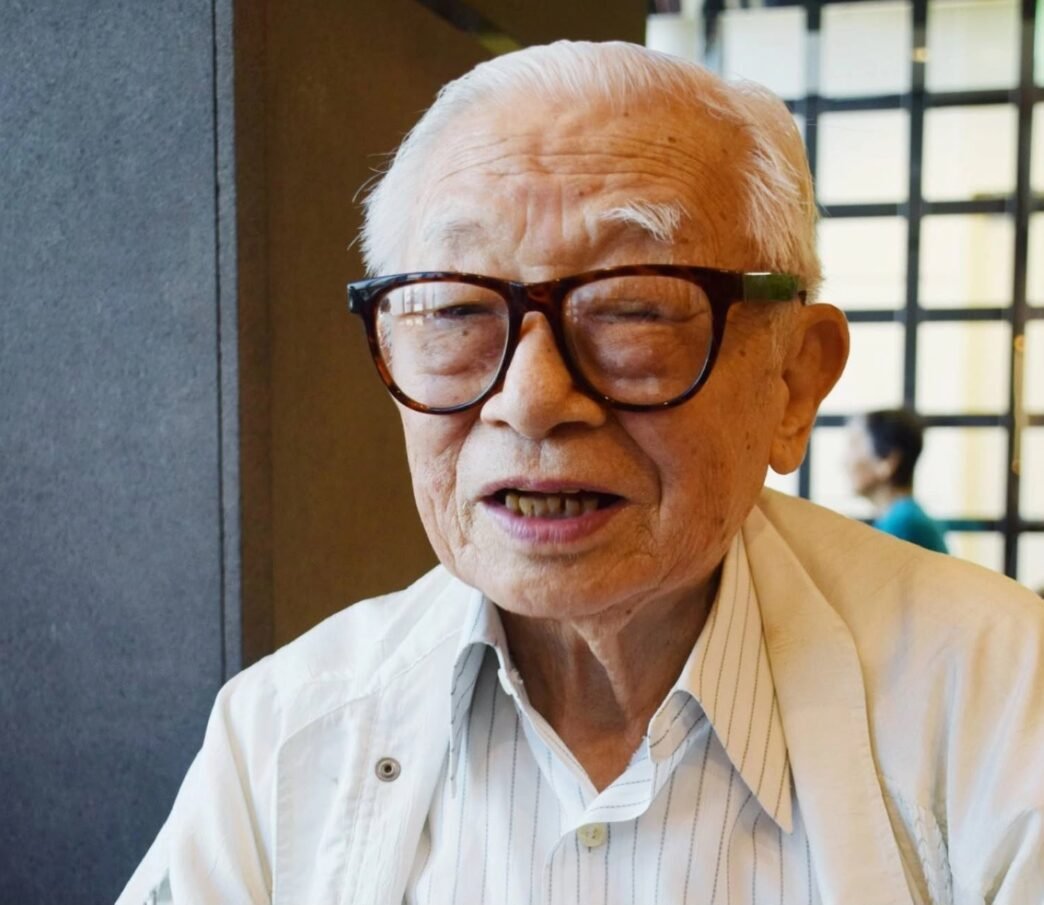
Remembering a Leading Figure
The organisation’s history has been shaped by survivors who transformed personal experiences of the atomic bombings into a wider campaign for peace.
Their advocacy has helped bring the voices of Hiroshima and Nagasaki survivors into international discussions about nuclear weapons and global security.
For many hibakusha, their work is not only about remembering the past but also about preventing similar suffering from happening again.
Why Hibakusha Testimonies Matter
As the hibakusha population becomes smaller with each passing year, preserving their testimonies has become increasingly important.
Their first-hand accounts provide historical perspectives on the consequences of nuclear warfare and help younger generations understand why nuclear disarmament remains a major issue.
Nihon Hidankyo and Nuclear Disarmament
Nihon Hidankyo has consistently argued that nuclear weapons should never be used again. Its campaign has connected the personal experiences of survivors with broader international efforts to reduce nuclear risks.
The organisation’s work has also contributed to Japan’s distinctive role in global debates surrounding nuclear weapons, peace, and disarmament.
Why This Matters
1. Preserving History
The stories of hibakusha help preserve the human history of Hiroshima and Nagasaki for future generations.
2. Promoting Peace
Nihon Hidankyo’s advocacy encourages governments to pursue dialogue and peaceful solutions rather than relying on nuclear weapons.
3. Raising Global Awareness
The organisation has helped bring survivors’ experiences to audiences far beyond Japan.
4. Passing the Message to Younger Generations
With fewer hibakusha able to share their experiences directly, preserving their testimonies has become an increasingly urgent task.
The Challenge Ahead
Nihon Hidankyo faces the challenge of continuing its mission as the number of surviving atomic bomb victims declines.
The organisation and its supporters are increasingly focused on documenting testimonies, educating younger people, and ensuring that the lessons of Hiroshima and Nagasaki remain part of global conversations about peace and nuclear weapons.
Final Word
As Nihon Hidankyo marks 70 years, its history remains closely connected to the voices of hibakusha who have spent decades calling for a world without nuclear weapons. Their experiences continue to serve as a powerful reminder of the human cost of war and the importance of preserving the pursuit of peace for future generations.