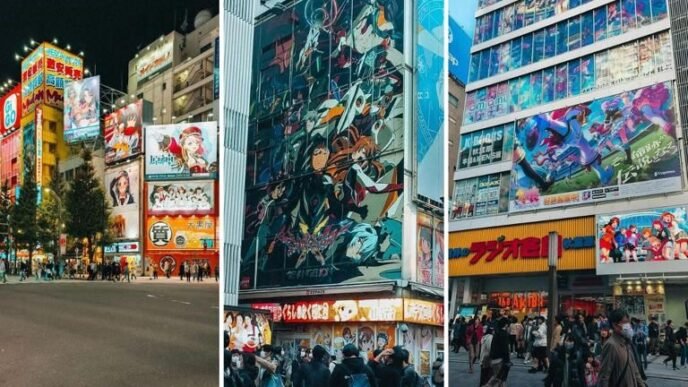

What was once considered a niche form of Japanese entertainment has now become one of the most powerful forces in global pop culture. From manga and anime to gaming, fashion, films, and streaming platforms, Japanese storytelling has moved far beyond its domestic audience to become a worldwide cultural phenomenon.
Today, millions of fans across continents consume Japanese entertainment daily, proving how manga evolved from printed comics into a mainstream global industry.
 WhatsApp Image 2024 07 01 at 13.58.28 4cfca4e0
The Origins of Manga Culture
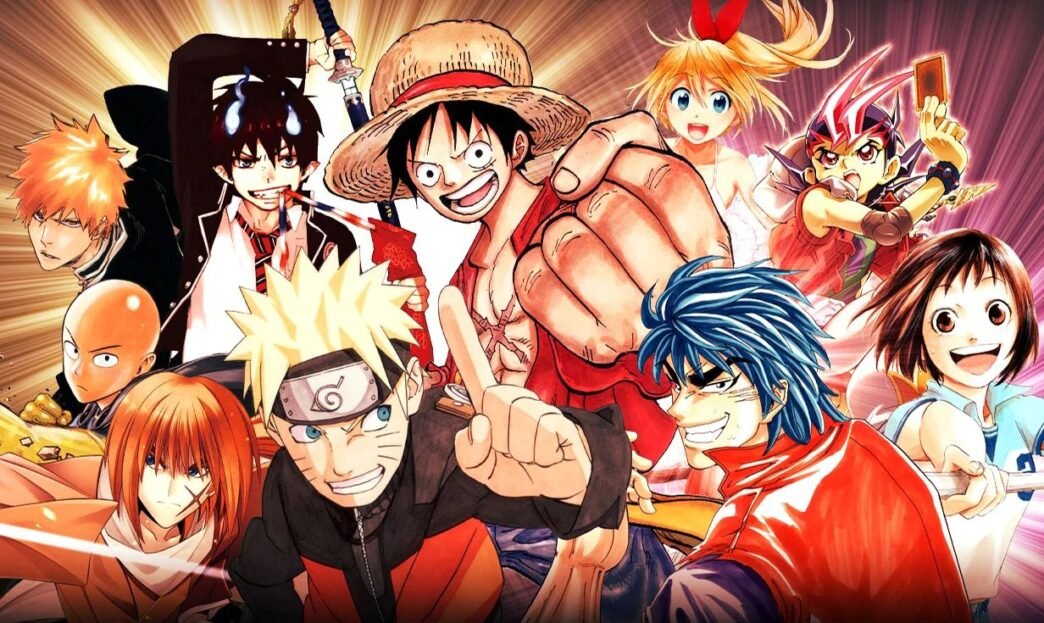
Manga refers to Japanese comic books and graphic novels known for their distinct art styles, emotional storytelling, and diverse genres.
Modern manga culture expanded rapidly in post-war Japan through influential creators who introduced serialized storytelling to younger audiences.
Unlike many Western comics, manga covers a wide variety of themes including:
- Action and adventure
- Romance
- Horror
- Science fiction
- Sports
- Slice-of-life stories
- Psychological drama
Its accessibility and emotional depth helped manga connect with readers of all ages.
Anime Helped Manga Reach the World
The international rise of anime played a major role in bringing manga culture to mainstream audiences.
Animated adaptations introduced global viewers to Japanese stories and characters through television broadcasts, DVDs, and eventually streaming platforms.
Popular franchises expanded worldwide through:
- Television series
- Movies
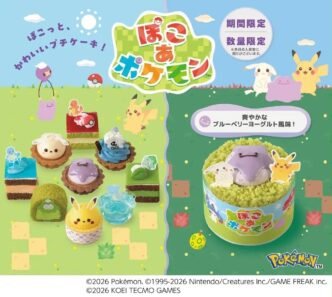
- Merchandise
- Video games
- Streaming services
- Social media fan communities
Anime became especially popular among younger audiences looking for storytelling styles different from traditional Western entertainment.
Streaming Platforms Changed Everything
The digital era dramatically accelerated the global popularity of Japanese entertainment.
Streaming platforms made anime and manga-related content more accessible than ever before.
This led to:
- Global accessibility
- Fans could watch instantly worldwide
- Subtitles & dubbing
- Expanded international audiences
- Social media
- Stronger fan communities
- Merchandise sales
- Growth in anime-related businesses
- International licensing
- Broader entertainment partnerships
Streaming services transformed anime from a niche interest into mainstream entertainment across multiple countries.
Manga Adaptations Dominate Entertainment
Many successful manga series have expanded into massive multimedia franchises.
Today, manga-inspired content includes:
- Anime series
- Live-action films
- Streaming originals
- Mobile games
- Theme park attractions
- International merchandise
Japanese intellectual property (IP) has become increasingly valuable in global entertainment markets.
Studios worldwide are now adapting manga stories for international audiences.
Why Manga Resonates Globally
Experts say manga and anime connect with international audiences because they often explore universal emotions and human struggles.
Common themes include:
- Friendship
- Personal growth
- Identity
- Loss and resilience
- Competition
- Family relationships
- Hope and perseverance
The storytelling often combines emotional depth with visually distinctive art and imaginative world-building.
Japanese Pop Culture as Soft Power
Japan’s entertainment industry has also become an important form of cultural influence, often described as “soft power.”
Japanese pop culture now influences:
- Fashion trends
- Music culture
- Digital art styles
- Gaming communities
- International conventions
- Online fan culture
Events dedicated to anime, cosplay, and manga now attract millions of attendees worldwide.
The Economic Power of Manga and Anime
The manga and anime industries have grown into major global businesses.
Revenue now comes from:
- Streaming
- International subscriptions
- Merchandise
- Collectibles and apparel
- Gaming
- Mobile and console games
- Cinema
- Anime film releases
- Publishing
- Global manga sales
- Tourism
- Anime-related travel experiences
Japan continues investing heavily in creative industries as demand for anime-related content expands internationally.
Why the Global Popularity Keeps Growing
1. Digital Access Expanded Audiences
Streaming and online communities made anime easier to discover.
2. Stories Appeal Across Cultures
Themes of friendship, ambition, and struggle resonate globally.
3. Strong Fan Communities
Anime and manga fandoms actively promote content online.
4. Japanese IP Is Highly Adaptable
Manga stories work across films, games, merchandise, and streaming.
Frequently Asked Questions (FAQs)
What is manga?
Manga refers to Japanese comic books and graphic novels covering a wide range of genres and themes.
How did manga become mainstream globally?
Anime adaptations, streaming services, and online fan communities helped expand international popularity.
Why is anime so popular worldwide?
Fans enjoy its emotional storytelling, creative visuals, and unique characters.
What industries are influenced by manga and anime?
Entertainment, fashion, gaming, publishing, streaming, merchandise, and tourism are all influenced by Japanese pop culture.
What is Japan’s cultural soft power?
It refers to Japan’s global influence through culture, entertainment, fashion, and media rather than political or military power.
Final Word: Japanese Storytelling Continues Shaping Global Culture
From printed manga pages to billion-dollar entertainment franchises, Japanese storytelling has evolved into a defining force in modern global pop culture.
As anime, manga, and Japanese creative industries continue expanding internationally, their influence on entertainment, technology, fashion, and digital communities shows no signs of slowing down.