
Japan has become one of the world’s biggest destinations for anime and manga fans seeking immersive pop culture experiences.
From anime-themed districts and manga museums to cosplay events and real-life locations featured in famous series, Japan offers visitors a unique chance to step directly into the worlds of their favorite characters and stories.
 WhatsApp Image 2024 07 01 at 13.58.28 4cfca4e0
Today, anime tourism has evolved into a major cultural and economic phenomenon, attracting millions of international travelers every year.
Anime Tourism Is Growing Worldwide
The global popularity of anime and manga has transformed Japanese pop culture into a powerful tourism driver.
Fans now travel to Japan to experience:
● Anime shopping districts
● Manga museums
● Themed cafés
● Cosplay events
● Anime exhibitions
● Real-life anime locations
● Gaming centers
● Pop culture conventions
Many travelers describe anime tourism as a way to experience Japanese storytelling beyond screens and books.
Akihabara Remains the Heart of Anime Culture
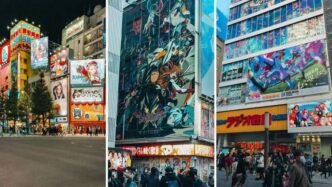
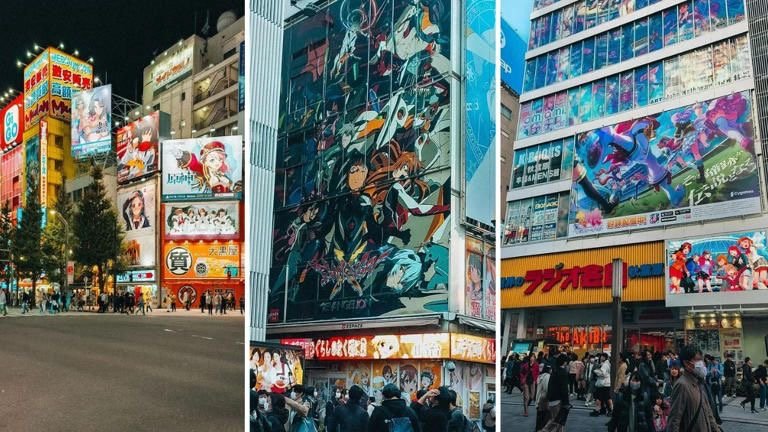
Akihabara is widely recognized as the center of anime, manga, and gaming culture in Japan.
Often called the “Electric Town,” Akihabara is famous for:
● Anime merchandise stores
● Manga shops
● Gaming arcades
● Cosplay cafés
● Collectible figure stores
● Anime billboards and themed spaces
The district attracts both international tourists and local fans searching for the latest anime trends and collectibles.
Akihabara has become one of Japan’s most recognizable symbols of modern pop culture.
Studio Ghibli Attractions Draw Global Fans
Fans of Japanese animated films frequently visit locations connected to Studio Ghibli and legendary filmmaker Hayao Miyazaki.
Popular attractions include:
● Ghibli-themed museums
● Film-inspired exhibitions
● Character merchandise stores
● Nature-inspired art spaces
● Anime-inspired cafés
Studio Ghibli films are known for combining fantasy, emotional storytelling, and environmental themes, making them popular across generations worldwide.
Real-Life Anime Locations Inspire “Anime Pilgrimages”
Anime fans increasingly visit real Japanese locations featured in famous anime series.
This trend is often called “anime pilgrimage tourism.”
Popular destinations include:
● Rural towns featured in anime
● Tokyo neighborhoods shown in series
● Shrines and temples appearing in films
● Scenic railway stations
● Coastal landscapes used in animation
Fans often recreate scenes, take photographs, and explore areas connected to beloved stories.
This form of tourism has helped smaller Japanese communities attract international visitors.
Anime Cafés and Themed Experiences Continue Expanding
Japan’s anime tourism industry now includes highly immersive entertainment experiences.
Visitors can enjoy:
● Character cafés
● Anime restaurants
● Virtual reality attractions
● Pop-up exhibitions
● Themed hotels
● Interactive gaming spaces
Limited-time collaborations between anime franchises and businesses have also become major attractions for tourists and local fans alike.
Cosplay Culture Adds to the Experience
Cosplay has become an important part of anime tourism culture in Japan.
Fans dress as characters from anime, manga, and games during:
● Anime conventions
● Street events
● Photography gatherings
● Seasonal festivals
● Pop culture expos
Cosplay communities have helped strengthen international anime fandoms and online fan culture.
Many tourists specifically visit Japan to participate in cosplay events and experience the country’s creative fan communities.
Anime Has Become a Major Soft Power Industry
Japan’s anime and manga industries now play a major role in the country’s global cultural influence.
Japanese pop culture impacts:
● Fashion trends
● Gaming communities
● Social media culture
● Digital art styles
● International entertainment
● Tourism branding
● Merchandise industries
Anime has become one of Japan’s strongest forms of cultural soft power worldwide.
The Economic Impact of Anime Tourism
Anime-related tourism contributes significantly to Japan’s economy.
Revenue comes from:
● Tourism spending
● Merchandise sales
● Event tickets
● Gaming centers
● Hotel collaborations
● Café experiences
● Museum admissions
● International licensing
Local governments and tourism organizations increasingly collaborate with anime franchises to attract visitors and promote regional tourism.
Why Anime Destinations Continue Growing in Popularity
1. Fans Want Real-World Experiences
Anime tourism allows fans to experience stories beyond digital screens.
2. Social Media Increased Global Visibility
Online platforms helped popularize anime destinations worldwide.
3. Japanese Pop Culture Appeals Internationally
Anime connects with audiences through emotional storytelling and creative worlds.
4. Tourism and Entertainment Are Closely Connected
Japan continues expanding anime-related attractions and events.
Frequently Asked Questions (FAQs)
A: Anime tourism refers to traveling to destinations connected to anime, manga, gaming, and Japanese pop culture experiences.
A: Akihabara is known as Japan’s leading anime, gaming, and electronics district filled with pop culture attractions.
Q: What is anime pilgrimage tourism?
A: It involves visiting real-life locations featured in anime series and films.
Q: Why is Studio Ghibli popular worldwide?
A: Studio Ghibli films are admired for emotional storytelling, imaginative worlds, and artistic animation.
Q: How does anime tourism help Japan’s economy?
A: It boosts tourism, merchandise sales, hospitality businesses, and regional promotion efforts.
Final Word: Japan’s Anime Destinations Bring Fiction to Life
From the vibrant streets of Akihabara to peaceful towns featured in beloved anime series, Japan’s anime destinations continue attracting fans from around the world.
As anime, manga, and Japanese entertainment expand globally, these destinations offer visitors more than tourism; they provide an immersive connection to one of the world’s most influential pop culture movements.