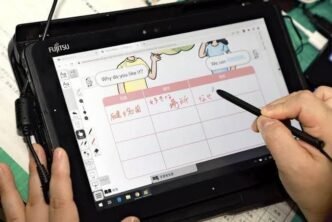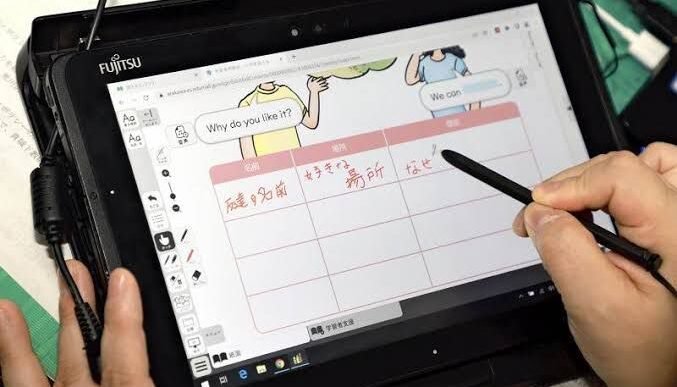


Japan is set to launch a new language support project aimed at helping foreign children adapt more successfully to the country’s education system, reflecting its growing commitment to inclusive learning and multicultural communities.
The initiative seeks to provide additional language assistance and educational resources for children whose first language is not Japanese, ensuring they can participate more confidently in classrooms and everyday school life.
 WhatsApp Image 2024 07 01 at 13.58.28 4cfca4e0
As Japan’s international population continues to grow, the project represents an important step toward creating a more welcoming and accessible education environment.
Strengthening Support for Multilingual Students
The new program is designed to help foreign children overcome language barriers and achieve better academic outcomes.
Key objectives include:
● Improving Japanese language skills
● Supporting classroom participation
● Enhancing communication with teachers
● Assisting newly arrived students
● Promoting equal educational opportunities
● Encouraging social integration
● Building confidence in learning
The initiative aims to ensure that language differences do not limit a child’s educational experience.
Responding to Japan’s Growing International Community
Japan has seen a steady increase in the number of foreign residents and international families, creating greater demand for multilingual educational support.
The project will benefit:
● Children of foreign workers
● International families
● Multicultural households
● Newly arrived students
● Local schools
● Teachers and education staff
● Community support organizations
By investing in language education, Japan hopes to foster stronger connections between schools and diverse communities.
Language Skills Play a Key Role in Student Success
Educational experts recognize that language proficiency is essential for academic achievement and social development.
The new support project may include:
● Japanese language instruction
● Individual learning assistance
● Multilingual teaching materials
● After-school support programs
● Classroom integration activities
● Parent communication resources
● Cultural orientation initiatives
These measures are intended to help students adapt smoothly while maintaining confidence in their learning journey.
Inclusive Education Gains Momentum in Japan
The initiative reflects a broader effort to make Japan’s education system more inclusive and globally connected.
Current priorities include:
● Equal access to education
● Diversity and inclusion
● International collaboration
● Digital learning resources
● Teacher development
● Community engagement
● Student well-being
Creating supportive learning environments benefits both international students and local communities.
Investing in the Next Generation
Supporting multilingual children contributes to Japan’s long-term social and economic development.
Potential benefits include:
● Improved educational outcomes
● Greater cultural understanding
● Stronger community integration
● Enhanced global competitiveness
● Workforce diversity
● Higher student confidence
● Better opportunities for future generations
Education leaders believe these investments will help build a more inclusive society.
Why This Initiative Is Important
1. It Supports Foreign Children in Japanese Schools
The project provides additional language assistance to help students succeed academically and socially.
2. It Promotes Inclusive Education
The initiative reflects Japan’s commitment to creating equal learning opportunities for all children.
3. It Strengthens Multicultural Communities
Better language support helps families integrate more smoothly into local communities.
4. It Prepares Japan for a More Global Future
Investing in multilingual education supports the country’s growing international engagement.
Frequently Asked Questions (FAQs)
Q: What is Japan’s new language support project?
A: It is an initiative designed to provide additional Japanese language assistance and educational support for foreign children attending schools in Japan.
Q: Who will benefit from the program?
A: Foreign children, international families, multicultural households, schools, teachers, and local communities are expected to benefit.
Q: Why is the initiative needed?
A: As Japan’s international population grows, more students require language support to fully participate in education and daily school life.
Q: What kinds of support may be offered?
A: Japanese language lessons, multilingual resources, individualized assistance, parent communication tools, and classroom integration programs.
Q: How does this benefit Japan?
A: The project promotes inclusion, educational equality, cultural understanding, and prepares future generations for a globally connected society.
Final Word: Building More Inclusive Classrooms Across Japan
Japan’s new language support initiative marks another important step toward creating schools where every child can learn, participate, and succeed regardless of their linguistic background.
By investing in multilingual education and inclusive learning environments, the country is strengthening opportunities for foreign children while fostering more diverse and connected communities.
As Japan continues to welcome people from around the world, initiatives like this will play a vital role in shaping the future of education and social integration.