
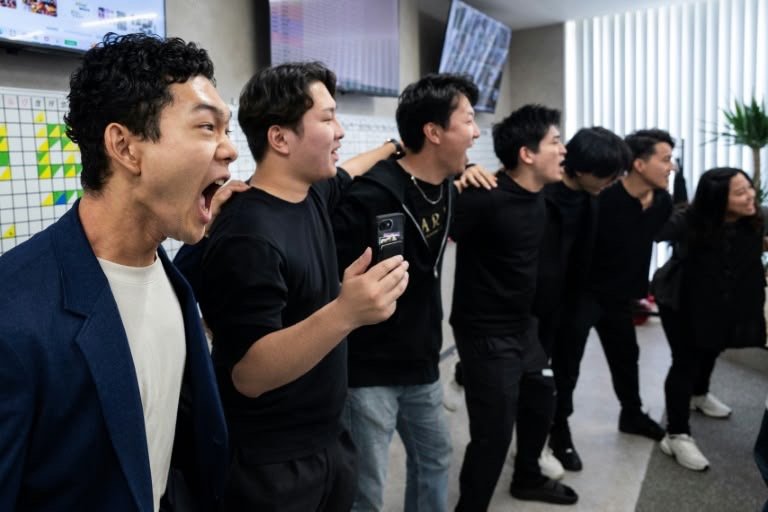
Japan is witnessing an unexpected shift in workplace attitudes as a growing number of Gen Z employees express support for elements of the country’s traditional corporate culture. Contrary to the global trend of prioritizing flexible work environments and flatter hierarchies, many young professionals in Japan believe that strict managers, structured workplaces, and disciplined leadership can help them develop valuable skills and achieve long-term career success.
The trend has sparked discussion among employers and workplace experts, as Japan continues to balance modern employment reforms with long-standing corporate traditions. While many companies have introduced measures to improve work-life balance and employee well-being, some younger workers argue that clear expectations, constructive criticism, and strong mentorship remain essential for professional growth.
 WhatsApp Image 2024 07 01 at 13.58.28 4cfca4e0
A New Perspective on Workplace Success
The renewed appreciation for traditional management styles reflects changing expectations among some young employees.
Key highlights include:
● Growing support for disciplined corporate culture
● Preference for experienced and demanding managers
● Focus on professional growth and career development
● Continued debate over work-life balance
● Blending traditional values with modern workplace practices
● Changing attitudes among Japan’s younger workforce
Supporters believe structured workplaces can foster accountability, resilience, and teamwork.
Tradition Meets Modern Expectations
Japan has spent years reforming its workplace culture by promoting flexible work arrangements, reducing excessive overtime, and encouraging diversity. However, the latest trend suggests that many Gen Z professionals are seeking guidance, stability, and clear leadership rather than completely abandoning traditional corporate values.
Experts note that the challenge for companies will be maintaining discipline and high performance while ensuring healthy work environments that respect employee well-being.
Shaping the Future of Japanese Workplaces
The evolving attitudes of younger employees may influence how businesses design leadership programs and workplace policies in the coming years. Companies that successfully combine strong mentorship with flexibility and inclusivity could be better positioned to attract and retain top talent.
1. Changing Workplace Trends
Gen Z is reshaping perceptions of leadership and professional development in Japan.
2. Value of Strong Mentorship
Many young employees believe experienced managers can accelerate career growth.
3. Balancing Reform and Tradition
Businesses are navigating the intersection of modern workplace expectations and established corporate values.
4. Future of Work
The trend could influence leadership styles and organizational culture across Japan.
Japan’s evolving workplace culture reveals that Gen Z is not entirely rejecting traditional corporate values. Instead, many young professionals are embracing disciplined leadership and structured mentorship as tools for personal and professional growth, highlighting a new approach to balancing innovation with the enduring strengths of Japan’s corporate culture.