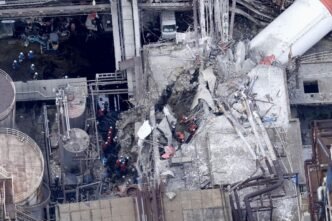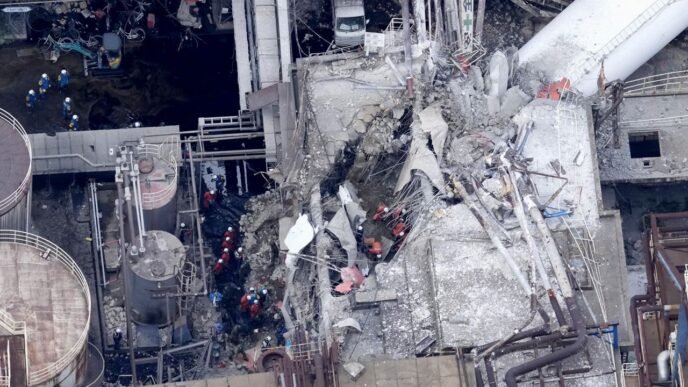
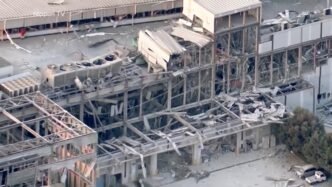
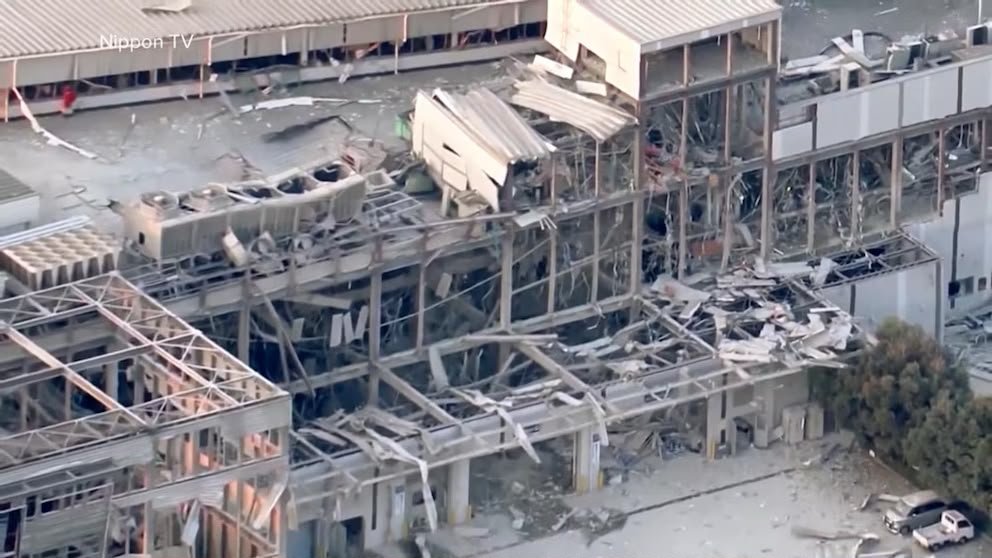
A powerful earthquake struck Kumamoto Prefecture in southwestern Japan, causing widespread destruction, loss of life, and major disruption to daily activities. The quake, which hit the island of Kyushu, triggered emergency responses across the region as authorities rushed to rescue survivors, assess damage, and restore essential services.
Overview of the Earthquake
The earthquake struck Kumamoto with strong tremors that were felt across large parts of Kyushu. Buildings shook violently, prompting residents to evacuate homes, offices, and public spaces. In several areas, aftershocks followed the main quake, increasing fear and complicating rescue operations.
 WhatsApp Image 2024 07 01 at 13.58.28 4cfca4e0
Japan’s Meteorological Agency issued immediate alerts, warning residents of potential aftershocks and secondary hazards such as landslides and structural collapses. Emergency protocols were activated within minutes of the quake.
Widespread Damage Reported
The earthquake caused significant damage across Kumamoto Prefecture. Early reports indicate that both residential and commercial structures were affected.
Key damage includes:
- Partial and full collapse of buildings in several districts
- Severe damage to roads, bridges, and transportation networks
- Power outages affecting thousands of households
- Disruption of rail and bus services
- Structural damage to public facilities and schools
- Fires and gas leaks reported in some areas
- Damage to historical and cultural sites, including parts of Kumamoto Castle
Emergency crews have been working to clear debris, secure unsafe structures, and restore essential utilities.
Casualties and Injuries
Authorities have confirmed multiple casualties as a result of the earthquake. Dozens of people have also been injured, with some in critical condition. Rescue teams continue to search through collapsed buildings for survivors.
Hospitals in the region have been placed on high alert, with medical staff treating earthquake-related injuries such as fractures, head trauma, and shock. Temporary shelters have been set up to accommodate displaced residents.
Rescue and Emergency Response
Japan’s emergency response system was quickly mobilized following the quake. Firefighters, police, and Self-Defense Forces have been deployed to the affected areas to assist in rescue operations.
Ongoing efforts include:
- Searching collapsed structures for trapped individuals
- Providing emergency medical care to the injured
- Evacuating residents from high-risk zones
- Distributing food, water, and blankets to shelters
- Restoring electricity and communication lines
- Monitoring aftershock activity and structural safety
Rescue operations are being carried out under difficult conditions due to unstable buildings and continuing tremors.
Government and Local Authority Response
The Japanese government has pledged full support for recovery and relief efforts. Local authorities in Kumamoto are coordinating with national agencies to ensure rapid assistance reaches affected communities.
Officials have urged residents to remain cautious, avoid damaged buildings, and follow evacuation instructions. Emergency alerts continue to be issued as aftershocks remain a concern.
Transportation and Infrastructure Disruption
The earthquake severely impacted transportation systems in the region. Train services were suspended, highways were partially closed, and airports experienced delays and cancellations.
Restoration of infrastructure is expected to take time, as engineers assess the safety of bridges, tunnels, and rail lines before reopening them to the public.
Ongoing Risks and Aftershocks
Seismologists have warned that aftershocks may continue for days or even weeks following the main earthquake. These secondary tremors could cause further damage to already weakened structures.
Authorities are also monitoring the risk of landslides in mountainous areas, especially after heavy shaking loosened soil and rock formations.
Conclusion
The Kumamoto earthquake has left a significant impact on Japan’s Kyushu region, causing loss of life, widespread damage, and major disruption to daily life. While rescue operations continue and emergency teams work tirelessly, the full extent of the disaster is still being assessed.
As Japan moves into the recovery phase, the focus remains on saving lives, supporting displaced residents, and rebuilding damaged communities.