Typhoon Champi Triggers Widespread Travel Disruptions
Typhoon Champi has disrupted air travel across East Asia, forcing airlines to cancel hundreds of flights as the powerful storm approaches Taiwan. Authorities have also ordered widespread closures and issued safety warnings as strong winds and heavy rainfall threaten the island.
 WhatsApp Image 2024 07 01 at 13.58.28 4cfca4e0
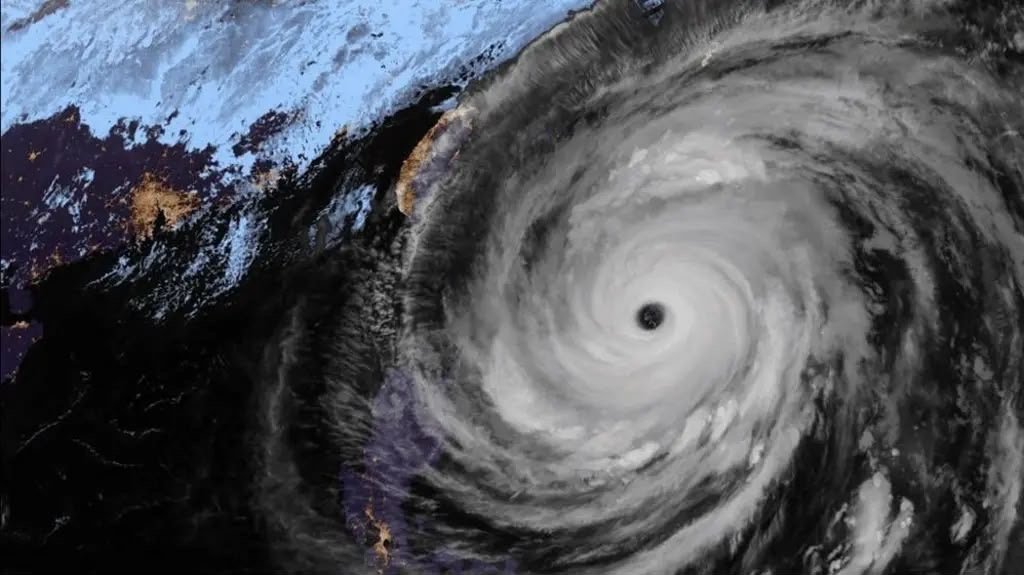
Although Champi has weakened from super typhoon strength, it remains capable of causing dangerous weather across a broad area. The storm’s large circulation means its effects may extend beyond locations close to its centre.
Taiwan Cancels Hundreds of Flights
Taiwan’s transport authorities cancelled all 262 domestic flights scheduled for Friday, October 23, along with more than 350 international services. The disruption came as officials prepared for strong winds, heavy rain and hazardous coastal conditions.
Schools, offices and financial markets across much of Taiwan also suspended operations. Public transport in Taipei continued to run, although some services operated with restrictions.
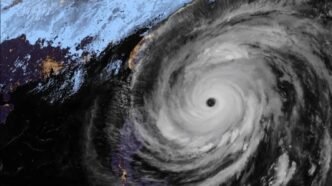
The storm was reported about 330 kilometres east of Taiwan’s southern tip, with its extensive wind field covering much of the island.
Japan Also Faces Flight Cancellations
The typhoon has affected Japan’s southwestern islands, particularly the Okinawa region. Major airlines, including Japan Airlines, All Nippon Airways and Skymark, cancelled more than 100 flights between Thursday and Sunday, affecting over 11,000 passengers, according to reports.
Champi was forecast to pass near Yonaguni, Japan’s westernmost inhabited island, before moving northward. Travellers were advised to check airline updates and confirm their flight status before heading to airports.
Strong Winds and Heavy Rain Raise Safety Concerns
Despite weakening, Champi was still producing wind gusts of around 191 kilometres per hour near its centre, according to Taiwan’s Central Weather Administration. Forecasters warned of torrential rainfall, rough seas and potentially dangerous conditions in mountainous and coastal areas.
Authorities urged residents to avoid exposed coastlines and mountain areas and to follow official weather and emergency instructions. The storm’s broad circulation could keep weather conditions unsettled even without a direct landfall.
Storm Track Could Bring Further Disruption
Forecasts indicated that Champi would pass near northeastern Taiwan before turning north towards the Chinese coast and eventually affecting southern Japan. Its movement and intensity will determine how long travel services and daily activities remain disrupted.
Airlines may revise schedules as weather conditions change, making it important for passengers travelling through Taiwan and Japan’s southwestern islands to monitor official announcements.
Typhoon Champi highlights how a powerful storm can disrupt regional travel even when it does not make direct landfall. With flight cancellations, public closures and severe-weather warnings in place, travellers across East Asia should stay informed and prioritise safety as the storm moves north.