Link to the article: https://www3.nhk.or.jp/nhkworld/en/news/videos/20260312114117855/
As artificial intelligence rapidly transforms industries and daily life, education systems around the world are facing an important challenge: preparing students for a future shaped by intelligent technologies. From healthcare and finance to transportation and media, AI is reshaping how people work, communicate, and solve problems. Ensuring that students are equipped with the right knowledge and skills has become a priority for educators and policymakers alike.
 WhatsApp Image 2024 07 01 at 13.58.28 4cfca4e0
The rise of Artificial Intelligence is creating new career paths while also changing the nature of existing jobs. Many routine tasks are increasingly automated, while new roles require skills such as critical thinking, creativity, digital literacy, and adaptability. For students, this means learning not only how to use technology but also how to understand it and work alongside it effectively.
Schools and universities are beginning to integrate AI-related subjects into their curricula. Courses in coding, data analysis, and machine learning are becoming more common, helping students develop technical foundations that will be valuable in the future workforce. In addition, interdisciplinary learning—combining technology with fields like business, design, and the social sciences is becoming increasingly important as AI influences multiple sectors.
Beyond technical knowledge, educators emphasize the importance of human-centered skills. While AI systems can process large amounts of data and perform complex calculations, they cannot fully replicate human creativity, emotional intelligence, and ethical judgment. Encouraging students to develop communication skills, teamwork, and problem-solving abilities will help them remain competitive in a technology-driven world.
Ethical understanding is another key area in AI education. As AI technologies become more powerful, students must learn about issues such as data privacy, algorithmic bias, and responsible innovation. Teaching the ethical dimensions of AI ensures that future professionals can develop and use technology in ways that benefit society as a whole.
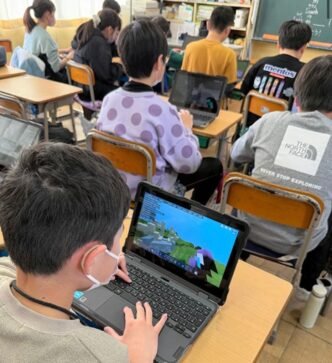
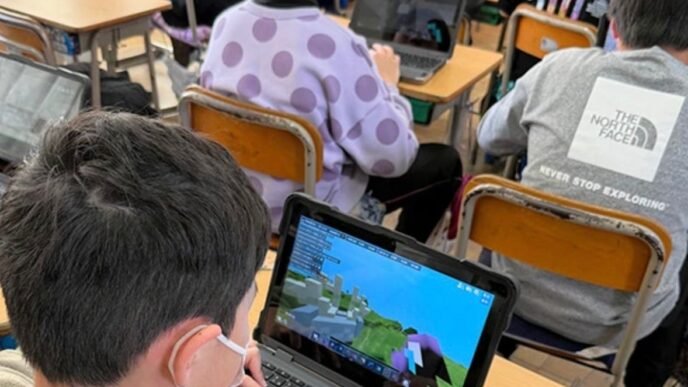
Governments and educational institutions in countries such as Japan, India, and the United States are investing in digital education initiatives to help students prepare for the AI era. These programs often include teacher training, partnerships with technology companies, and the introduction of modern digital tools in classrooms.
The goal is not simply to turn every student into an AI engineer, but to create a generation that understands how AI works and how it affects society. Whether students pursue careers in technology, business, healthcare, or the arts, a basic understanding of AI will help them navigate a rapidly changing world.
As AI continues to evolve, education systems must adapt alongside it. By combining technical knowledge, ethical awareness, and strong human skills, schools can empower students to thrive in the age of intelligent machines and become innovators who shape the future rather than simply adapt to it.