
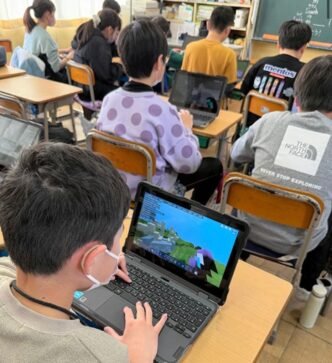
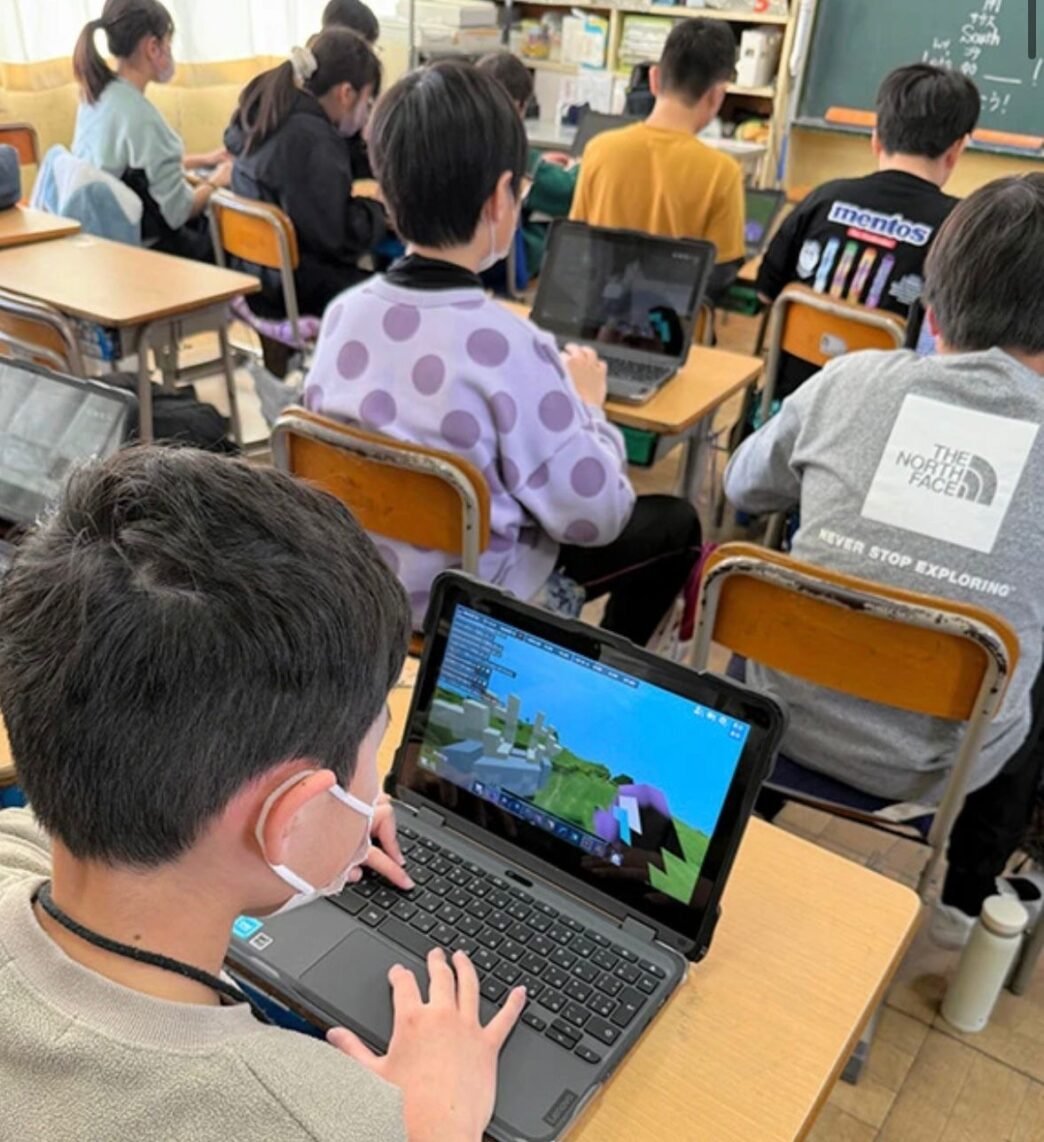
In classrooms across Japan, a quiet transformation is taking place. Children who once hesitated to speak English are now confidently expressing themselves all thanks to game-based learning.
By integrating interactive games into English lessons, educators are helping students move beyond memorization and truly “find their voice” in a second language.
 WhatsApp Image 2024 07 01 at 13.58.28 4cfca4e0
What Is Game-Based English Learning?
Game-based learning uses interactive activities, digital games, and real-time challenges to teach language skills. Instead of relying only on textbooks, students engage in:
● Role-playing scenarios
● Vocabulary games
● Interactive storytelling
● Digital and video-based learning tools
This approach shifts the focus from passive learning to active participation.
How Games Are Helping Children Speak English
Traditional English education in Japan has often focused on grammar and written tests. Game-based lessons change that by making learning fun and engaging.
For example, students using interactive tools or video games respond to instructions, repeat phrases, and solve tasks in English often without even realizing they are learning.
2. Building Confidence Through Interaction
One of the biggest challenges for Japanese learners is speaking confidence. Games create a low-pressure environment where children feel comfortable experimenting with language.
In some classrooms, students guide characters in games using simple English phrases turning learning into a natural conversation exercise.
3. Encouraging Real Communication
Unlike traditional methods, game-based learning focuses on real-life usage of English.
Students practice:
● Asking questions
● Giving instructions
● Reacting to situations in real time
This helps bridge the gap between knowing English and actually using it.
| Detail | Information |
| Learning Method | Game-based English lessons |
| Target Group | School children |
| Core Benefit | Improved speaking confidence |
| Tools Used | Video games, interactive apps, classroom activities |
| Key Outcome | Natural communication skills |
| Trend | Growing adoption in Japan’s education system |
Why This Approach Is Gaining Popularity
Games naturally capture attention. Even students who previously disliked English are more willing to participate in lessons when games are involved.
2. Better Retention of Language Skills
Interactive learning helps students remember vocabulary and phrases more effectively compared to rote memorization.
Studies show that combining sound, visuals, and interaction improves both motivation and learning outcomes in children.
3. Aligning With Digital Learning Trends
With the rise of educational apps and AI-powered platforms, game-based learning is becoming a natural extension of modern classrooms.
Platforms designed for young learners now integrate adaptive lessons, interactive exercises, and gamification to personalize learning experiences.
Impact on Japan’s Education System
Japan has long faced challenges in spoken English proficiency despite strong academic performance.
Game-based learning is helping address this by:
● Encouraging active participation
● Reducing fear of making mistakes
● Promoting conversational skills over rote learning
This shift marks a broader evolution in how English is taught moving from theory-heavy instruction to practical communication.
What This Means for the Future
The success of game-based English learning suggests a larger trend:
● Education is becoming more interactive
● Technology is playing a central role
● Students are learning by doing, not just memorizing
As these methods expand, more children are likely to develop not just language skills but the confidence to use them globally.
Frequently Asked Questions (FAQs)
Q: Can children really learn English through games?
A: Yes. Games improve engagement, motivation, and real-life usage of language, making learning more effective.
Q: Why is this important in Japan?
A: Japan has traditionally focused on grammar-based learning, so game-based methods help improve speaking skills.
Q: What types of games are used?
A: Video games, role-playing activities, vocabulary challenges, and interactive digital platforms.
Q: Does this replace traditional teaching?
A: No. It complements traditional methods by adding practical and interactive elements.
Q: Is this trend growing globally?
A: Yes. Gamified learning is becoming popular worldwide, especially in language education.
Final Word: Learning English the Way Children Naturally Do
Children learn best when they are engaged, curious, and having fun. Game-based English lessons tap into this natural learning style transforming classrooms into spaces where students don’t just study English, they live it.
In Japan, this shift is helping a new generation move from silence to confidence one game at a time.
Source: https://www.asahi.com/ajw/articles/16496634