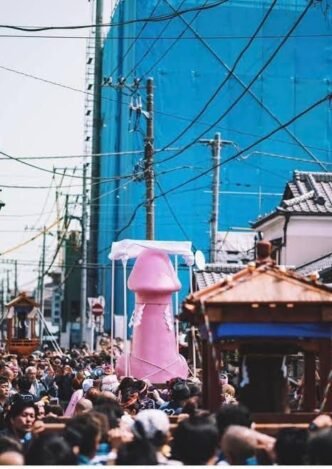
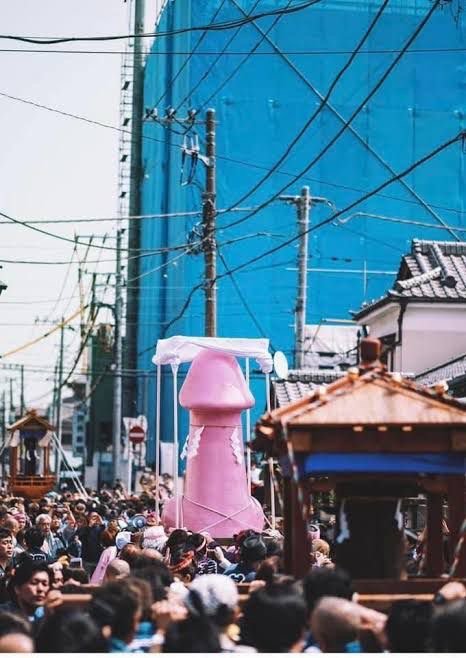
Japan’s internationally known fertility festival may attract attention for its unusual imagery, but religious figures and cultural experts say the event represents much deeper spiritual and historical traditions rooted in Japanese culture.
Held annually at Kanayama Shrine, the festival has become one of Japan’s most talked-about cultural celebrations, drawing visitors from around the world while preserving centuries-old beliefs connected to fertility, protection, and community wellbeing.
 WhatsApp Image 2024 07 01 at 13.58.28 4cfca4e0
Although the event’s visuals often surprise international audiences, shrine representatives emphasize that the festival’s meaning goes far beyond appearances.
A Festival Rooted in History and Spiritual Beliefs
The famous celebration, commonly associated with fertility symbolism, is linked to traditional Shinto beliefs and local folklore dating back generations.
Historically, the shrine became associated with:
● Fertility blessings
● Safe childbirth
● Marital harmony
● Protection from disease
● Prosperity and good fortune
● Community wellbeing
● Spiritual purification
Religious caretakers say the festival reflects older cultural traditions where fertility symbols were viewed as sacred rather than controversial.
Why the Festival Attracts International Attention
The event has gained global recognition largely because of its bold public displays and symbolic processions.
Popular festival attractions include:
● Decorative portable shrines
● Traditional parades
● Cultural performances
● Festival food stalls
● Souvenir items
● Religious ceremonies
● Community celebrations
Tourists from many countries visit the festival annually, making it one of Japan’s most photographed cultural events.
Shinto Traditions Often Carry Symbolic Meanings
Many Japanese religious and folk traditions use symbolism connected to nature, life, and human wellbeing.
Common themes in traditional festivals include:
● Fertility and renewal
● Seasonal change
● Agricultural prosperity
● Spiritual protection
● Community unity
● Family wellbeing
● Gratitude and blessings
Cultural experts note that symbolism in Japanese festivals is often deeply connected to historical beliefs rather than modern interpretations.
Japan Continues Preserving Traditional Festivals
Japan is home to thousands of local festivals, many of which preserve centuries-old customs and regional identities.
Well-known traditional celebrations across the country include:
● Cherry blossom festivals
● Summer fire festivals
● Harvest celebrations
● Snow festivals
● Shrine processions
● Lantern festivals
● Traditional dance events
These festivals remain important parts of Japan’s cultural heritage and tourism industry.
Cultural Tourism Plays a Major Role in Japan
Unique festivals and historical traditions continue attracting international visitors interested in Japanese culture.
Tourism interest often focuses on:
● Traditional shrines and temples
● Local customs
● Historical ceremonies
● Regional cuisine
● Seasonal events
● Cultural performances
● Heritage experiences
Events like the festival at Kanayama Shrine help showcase the diversity of Japan’s local traditions.
Why Japan’s Fertility Festival Continues Drawing Global Interest
1. It Has Deep Historical Roots
The festival originates from long-standing spiritual and cultural traditions.
2. The Event Reflects Fertility Symbolism
The imagery is connected to blessings, protection, and wellbeing.
3. International Tourists Are Increasingly Interested
The festival has become globally recognized for its uniqueness.
4. Japan Strongly Preserves Cultural Heritage
Traditional festivals remain an important part of Japanese identity.
Frequently Asked Questions (FAQs)
Q: What is Japan’s famous fertility festival?
A: It is a traditional celebration held at Kanayama Shrine that includes fertility-related symbolism connected to Shinto beliefs and local folklore.
Q: Why does the festival use unusual imagery?
A: The symbolism historically represented fertility, protection, prosperity, and wellbeing within traditional Japanese culture.
Q: Where is the festival held?
A: The event takes place at Kanayama Shrine in Kawasaki, Japan.
A: Yes. The celebration is connected to traditional Shinto practices and shrine customs.
Q: Why is the festival internationally famous?
A: Its unusual visuals and cultural uniqueness attract tourists and media attention from around the world.
Final Word: A Unique Festival With Deep Cultural Significance
While Japan’s traditional fertility festival may appear unusual to some international visitors, its origins are closely tied to centuries-old beliefs surrounding protection, fertility, and community wellbeing.
The event continues to serve as both a cultural celebration and a reminder of how historical traditions remain preserved in modern Japan.
As global interest in Japanese culture grows, festivals like the one at Kanayama Shrine continue highlighting the country’s rich spiritual heritage and unique local customs.