
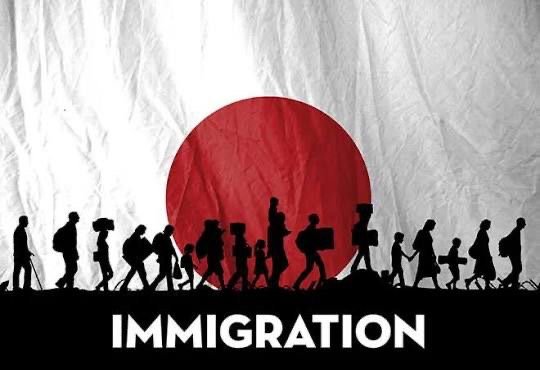
Japan is implementing one of its most significant immigration policy overhauls in recent years, with a series of reforms scheduled between 2026 and 2029 that will impact foreign workers, residents, employers, and international visitors.
The reforms introduce stricter eligibility requirements, enhanced compliance measures, increased documentation standards, higher government fees, and new digital systems designed to strengthen immigration management while continuing to attract global talent.
 WhatsApp Image 2024 07 01 at 13.58.28 4cfca4e0
Officials say the changes aim to improve transparency, security, and efficiency within Japan’s immigration framework amid evolving workforce and demographic needs.
New Immigration Rules Will Affect Multiple Categories
The reforms cover a wide range of immigration and residency processes.
Key areas affected include:
● Work visas
● Permanent residency applications
● Naturalization procedures
● Intra-company transfers
● Residence card systems
● Visitor entry requirements
● Government application fees
Individuals and employers are being encouraged to prepare well in advance for the upcoming changes.
Work Visa Applications Face Increased Scrutiny
Beginning in 2026, employers sponsoring foreign professionals will face stricter documentation requirements.
Changes include:
● Enhanced corporate verification
● Stronger income documentation requirements
● Expanded compliance reviews
● Additional employer declarations
● Greater scrutiny of smaller organizations
● Verification of business operations
● Increased evidence requirements for applications
Authorities are expected to place greater emphasis on demonstrating the legitimacy and operational substance of sponsoring companies.
Language Requirements Introduced for Certain Roles
Japan is also introducing additional standards for some foreign professionals working in customer-facing positions.
Affected occupations may include:
● Translators
● Interpreters
● Hospitality staff
● International service professionals
● Customer support personnel
● Tourism-related roles
● Language-based service positions
Applicants in specific categories may need to demonstrate language proficiency equivalent to internationally recognized standards.
Naturalization Standards Become More Stringent
Japan is strengthening administrative requirements for individuals seeking Japanese citizenship.
Key changes include:
● Longer residency expectations
● Expanded tax compliance reviews
● Increased social insurance verification
● Financial stability assessments
● Conduct and integration evaluations
● Japanese language capability reviews
● Enhanced background examinations
Certain applicants, including spouses and children of Japanese nationals, may continue to qualify for special considerations under existing provisions.
Digital Residence Card System to Launch
A new integrated residence management system is scheduled to be introduced in 2026.
Features include:
● Combined residence and identification functions
● Digital information storage
● Enhanced administrative efficiency
● Improved identity verification
● Electronic record management
● Modernized resident services
● Streamlined documentation systems
The reform represents another step in Japan’s broader digital transformation efforts.
Permanent Residency Pathway Becomes More Selective
From 2027, eligibility requirements for permanent residency are expected to become stricter.
The reforms will emphasize:
● Longer-term residency stability
● Strong compliance history
● Financial responsibility
● Tax and insurance contributions
● Immigration record reviews
● Consistent legal status maintenance
● Long-term integration into Japanese society
The move reflects Japan’s growing focus on structured and sustainable immigration management.
Japan Plans New Pre-Arrival Travel Authorization System
Japan is also developing a new electronic travel authorization system known as JESTA.
The system is expected to:
● Screen visitors before arrival
● Strengthen border security
● Improve immigration efficiency
● Support tourism management
● Enhance risk assessment procedures
● Streamline entry processing
● Align with global travel practices
The program will function similarly to electronic travel authorization systems already used in several other countries.
Government Fees Expected to Increase
Proposed reforms may significantly increase immigration-related application fees.
Areas potentially affected include:
● Visa extensions
● Status changes
● Permanent residency applications
● Long-term residence permits
● Administrative processing services
● Immigration documentation
● Residency-related procedures
The higher costs are expected to reflect expanded administrative and compliance requirements.
Why These Reforms Are Drawing Attention
1. They Represent a Major Immigration Policy Shift
The reforms are among the most significant updates to Japan’s immigration framework in recent years.
2. Employers Will Face New Responsibilities
Companies hiring foreign talent will need to meet higher documentation and compliance standards.
3. Residency and Citizenship Requirements Are Tightening
Applicants seeking long-term status in Japan may face stricter eligibility reviews.
4. Digital Systems Are Expanding
New technologies are being introduced to modernize immigration administration and border management.
Frequently Asked Questions (FAQs)
Q: When will the new immigration reforms take effect?
A: Various reforms will be implemented between 2026 and 2029, depending on the category and legislative process.
Q: Who will be affected by the changes?
A: Foreign workers, employers, permanent residency applicants, naturalization applicants, and short-term visitors may all be impacted.
A: JESTA is Japan’s planned electronic travel authorization system for visa-exempt visitors entering the country for short-term stays.
Q: Will work visa requirements change?
A: Yes. Employers and applicants will face increased documentation requirements and greater scrutiny in certain visa categories.
Q: Why is Japan introducing these reforms?
A: The government aims to strengthen immigration management, improve compliance, enhance security, and support long-term workforce planning.
Final Word: Japan’s Immigration System Enters a New Era
Japan’s upcoming immigration reforms signal a significant shift toward a more structured, technology-driven, and compliance-focused system.
While the changes introduce stricter requirements and higher costs, they also reflect the country’s efforts to modernize immigration administration and manage growing international mobility more effectively.
For foreign professionals, businesses, students, and long-term residents, proactive planning and awareness of the new rules will be increasingly important as Japan implements these far-reaching reforms over the coming years.