
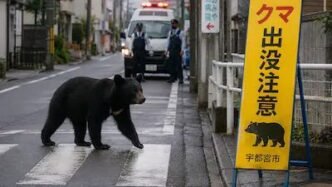
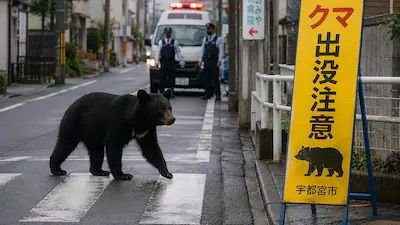
A bear wandering through a Japanese city for several days prompted authorities to take extraordinary safety measures, including the temporary closure of nearly 100 schools while a large-scale search operation was launched.
Hunters, police officers, local officials, and wildlife experts worked together to locate the animal and ensure the safety of residents. The incident has once again highlighted the growing challenges of human-wildlife interactions in parts of Japan.
 WhatsApp Image 2024 07 01 at 13.58.28 4cfca4e0
Officials urged the public to remain vigilant and avoid wooded areas or locations where the bear may have been spotted.
Massive Search Operation Underway
Authorities mobilized multiple agencies after repeated sightings of the bear in urban areas.
The coordinated response includes:
● Police patrols
● Licensed hunters
● Wildlife management teams
● Local government officials
● School administrators
● Emergency response personnel
● Community safety volunteers
The operation aims to safely locate and manage the animal while minimizing risks to both people and wildlife.
Nearly 100 Schools Closed as Precaution
Public safety became the top priority as officials temporarily suspended classes across the affected area.
Preventive measures include:
● School closures
● Adjusted transportation routes
● Increased police presence
● Public safety announcements
● Community monitoring
● Restricted outdoor activities
● Emergency communication systems
Authorities emphasized that the closures were precautionary and intended to protect students and staff.
Human-Wildlife Encounters Increasing in Japan
Experts say encounters between bears and humans have become more common in several regions of Japan.
Contributing factors include:
● Habitat changes
● Food shortages in forests
● Urban expansion
● Seasonal movement patterns
● Climate variations
● Population shifts in rural areas
● Increased wildlife activity near communities
Local governments have been strengthening monitoring systems and public awareness campaigns in response.
Residents Advised to Remain Alert
Officials have asked residents to take extra precautions until the search operation concludes.
Recommended safety measures include:
● Avoiding isolated areas
● Staying away from forests and mountains
● Traveling in groups when possible
● Following official updates
● Keeping children supervised
● Reporting bear sightings immediately
● Not approaching wildlife under any circumstances
Authorities continue to monitor the situation around the clock.
Japan Strengthens Wildlife Management Efforts
As wildlife increasingly appears near populated areas, municipalities are expanding efforts to improve coexistence and public safety.
Current initiatives focus on:
● Wildlife monitoring technology
● Community education
● Emergency response planning
● Habitat management
● Conservation programs
● Public alert systems
● Coordination between local agencies
These measures aim to balance environmental conservation with the protection of local communities.
Why This Incident Is Receiving Attention
1. Nearly 100 Schools Were Affected
The large number of precautionary closures reflects the seriousness of the public safety response.
2. Authorities Launched a Multi-Agency Search
Police, hunters, and local officials are working together to locate the bear safely.
3. Human-Wildlife Encounters Are Increasing
The incident highlights a growing challenge faced by communities across Japan.
4. Public Safety Remains the Priority
Officials continue urging residents to stay alert until the situation is fully resolved.
Frequently Asked Questions (FAQs)
Q: Why were schools closed?
A: Nearly 100 schools were temporarily closed after a bear was spotted roaming through the city, posing a potential safety risk.
Q: How long had the bear been in the area?
A: Reports indicated that the bear had been roaming the city for approximately three days before the large-scale search operation intensified.
Q: Who is involved in the search?
A: Police officers, licensed hunters, wildlife experts, and local government officials are participating in the coordinated search.
Q: Why are bear sightings becoming more common?
A: Experts point to habitat changes, food shortages, urban expansion, and seasonal wildlife movement as contributing factors.
Q: What should residents do?
A: Residents are advised to follow official guidance, avoid areas where the bear may be present, and report any sightings immediately.
Final Word: Public Safety Takes Center Stage
The temporary closure of nearly 100 schools demonstrates Japan’s proactive approach to protecting communities during wildlife emergencies.
As authorities continue searching for the bear, the incident serves as a reminder of the importance of preparedness and effective wildlife management in balancing public safety with environmental conservation.
Officials remain committed to resolving the situation safely while keeping residents informed through ongoing updates.