
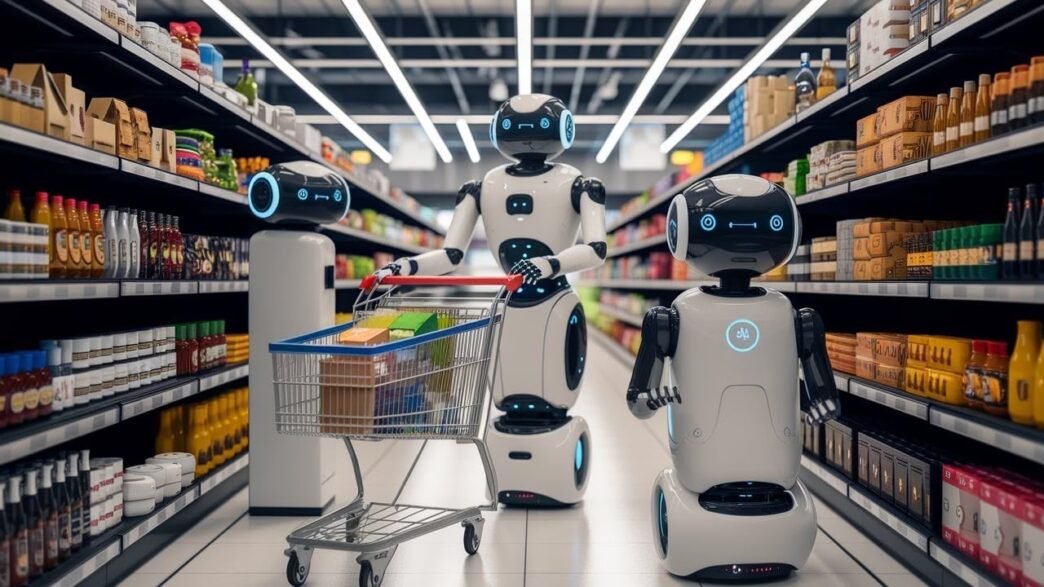
Supermarkets around the world are increasingly turning to artificial intelligence (AI) to improve efficiency, enhance customer experiences, and drive sales. From predicting consumer demand to optimizing inventory and personalizing promotions, AI is reshaping the retail industry and helping supermarkets operate more efficiently in an increasingly competitive market.
Retailers are investing heavily in AI-powered tools to reduce costs, minimize food waste, and better understand customer shopping habits.
 WhatsApp Image 2024 07 01 at 13.58.28 4cfca4e0
How AI Is Transforming Supermarkets
Artificial intelligence is being integrated into various aspects of supermarket operations.
Key applications include:
● AI-powered demand forecasting
● Automated inventory management
● Personalized product recommendations
● Smart pricing and promotions
● Self-checkout and cashierless technologies
● Supply chain optimization
● Customer behavior analysis
These technologies enable retailers to make faster, data-driven decisions while improving overall efficiency.
Benefits for Retailers and Shoppers
The use of AI offers advantages for both businesses and consumers.
Benefits include:
● Better product availability
● Reduced food waste
● Faster checkout experiences
● More personalized discounts and offers
● Improved stock management
● Lower operating costs
● Enhanced customer satisfaction
By analyzing shopping patterns, AI helps supermarkets keep popular products in stock and respond more effectively to changing demand.
Despite its benefits, implementing AI also presents challenges for retailers.
Key concerns include:
● High technology investment costs
● Data privacy and security
● Employee training requirements
● Integration with existing systems
● Ethical use of customer data
● Cybersecurity risks
● Balancing automation with human service
Experts say successful AI adoption depends on responsible implementation and maintaining consumer trust.
AI enables supermarkets to streamline daily operations and improve decision-making.
Customers benefit from personalized offers, quicker service, and improved product availability.
AI helps retailers forecast demand more accurately, reducing excess inventory and food waste.
Artificial intelligence is becoming a key driver of innovation, shaping how supermarkets operate and compete in the digital age.
Artificial intelligence is transforming supermarkets by making retail operations faster, smarter, and more efficient. As AI technology continues to evolve, supermarkets are expected to deliver more personalized shopping experiences, optimize supply chains, and reduce operational costs, paving the way for the next generation of intelligent retail.