
As the FIFA World Cup 2026 approaches, Japan once again enters the tournament as one of Asia’s most respected football nations. While talent and coaching have played important roles in the country’s success, many experts believe the true foundation of Japan’s football achievements lies in its culture.
The values that have shaped Japanese society for generations—discipline, teamwork, humility, and continuous improvement—have also helped create one of the strongest football programs in Asia.
 WhatsApp Image 2024 07 01 at 13.58.28 4cfca4e0
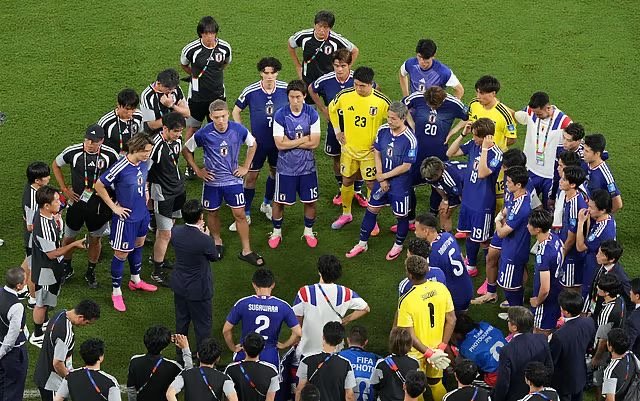
The Power of Collective Success
Unlike teams built around individual stars, Japan’s football philosophy emphasizes collective effort and teamwork. Players are taught from a young age that success comes from working together rather than seeking personal recognition.
This mindset is reflected in:
● Organized team play
● Tactical discipline
● Strong work ethic
● Mutual respect among players
● Commitment to team goals
● Consistent performance
● Selfless decision-making
The result is a national team capable of competing with some of the world’s best football nations.
Kaizen: Continuous Improvement
One of Japan’s most influential cultural concepts is Kaizen, the philosophy of continuous improvement.
In football, this approach encourages players and coaches to:
● Constantly refine their skills
● Learn from setbacks
● Improve performance incrementally
● Focus on long-term development
● Embrace innovation
● Maintain high standards
● Pursue excellence every day
This mentality has helped Japan steadily close the gap with football’s traditional powerhouses.
Discipline On and Off the Pitch
Japanese football is known worldwide for its professionalism and discipline. From youth academies to the national team, players are expected to uphold high standards both on and off the field.
Examples include:
● Respect for opponents and officials
● Strong training habits
● Tactical awareness
● Mental resilience
● Punctuality and professionalism
● Accountability
● Dedication to improvement
These qualities have become hallmarks of the Samurai Blue.
Japan’s football culture is also shaped by deep respect for others. This extends beyond the players to supporters, coaches, and communities.
Japanese fans have gained international recognition for:
● Cleaning stadiums after matches
● Respecting host nations
● Supporting their team positively
● Promoting sportsmanship
● Demonstrating civic responsibility
These actions have earned admiration from football fans around the world.
Investment in Youth Development
Japan’s success did not happen overnight. Decades of investment in youth academies, grassroots football, and coaching education have produced a steady stream of talented players.
Key strengths include:
● Structured youth systems
● Modern coaching methods
● School football programs
● Professional development pathways
● International experience
● Technical skill development
● Long-term planning
Many Japanese players now compete successfully in Europe’s top leagues, bringing valuable experience back to the national team.
Japan’s rise has inspired football development across Asia. By combining cultural values with modern football strategies, the country has built a sustainable model that prioritizes both performance and character.
The team’s success demonstrates that football excellence is not only about talent it is also about mindset, preparation, and shared values.
Why Japan Continues to Impress
Success is built on collective effort rather than individual stardom.
The Kaizen philosophy drives constant development.
3. Discipline and Professionalism
Players consistently maintain high standards.
Investment in youth development continues to produce world-class talent.
Japan’s journey from an emerging football nation to one of Asia’s strongest teams is a story rooted in culture as much as sport. Through discipline, teamwork, respect, and a relentless commitment to improvement, the Samurai Blue have built a football identity admired around the world. As the FIFA World Cup 2026 approaches, Japan’s cultural strengths may once again prove to be one of its greatest competitive advantages.