
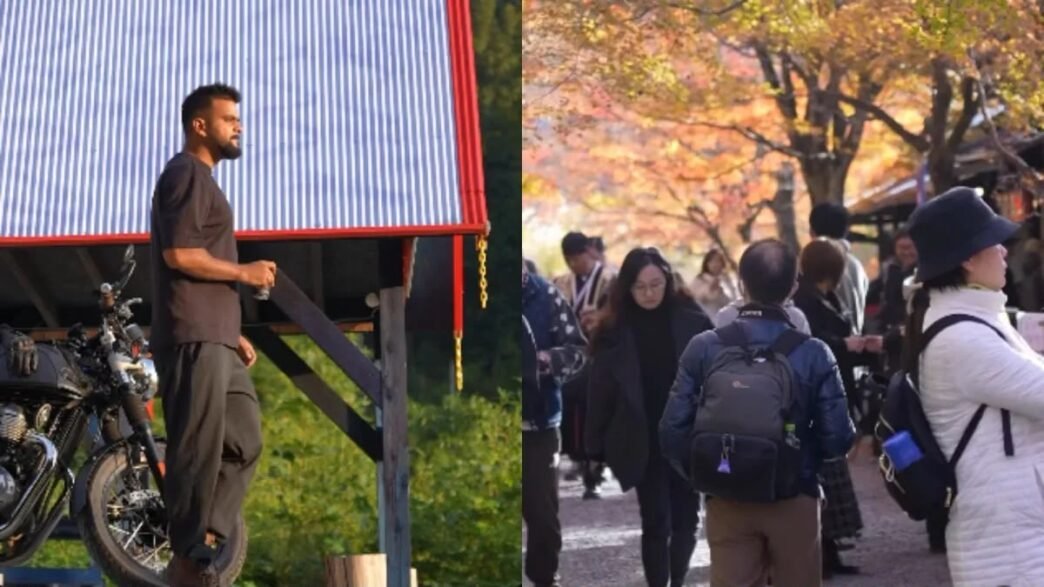
An Indian professional’s experience of working in Japan has gone viral on social media after sharing how Japanese workplaces prioritize respect for personal time, work-life balance, and employee recognition. The post, summed up by the phrase “No weekend calls, only bonuses,” has sparked widespread discussion about the differences between corporate cultures in Japan and other countries.
According to the viral account, employees are generally encouraged to disconnect from work after office hours, with weekends reserved for personal and family time rather than work-related communication. The experience also highlighted performance-based bonuses, structured work environments, and a culture that values planning, punctuality, and professionalism.
 WhatsApp Image 2024 07 01 at 13.58.28 4cfca4e0
The post drew attention to several aspects of Japanese workplace culture that many professionals found noteworthy.
Key highlights include:
● Limited work communication during weekends
● Greater respect for employees’ personal time
● Performance-based bonuses and rewards
● Strong emphasis on punctuality and professionalism
● Well-defined work processes and expectations
● Focus on productivity rather than constant availability
The viral story resonated with many users comparing workplace practices across different countries.
Balancing Productivity and Personal Life
In recent years, many Japanese companies have introduced reforms to improve employee well-being by reducing excessive overtime, encouraging flexible work arrangements, and promoting healthier work-life balance. While workplace experiences vary between companies and industries, the viral post reflects how some organizations are placing greater emphasis on respecting employees’ time outside the office.
The story has fueled discussions about modern workplace expectations, with many professionals sharing their own experiences and debating how organizations can create healthier and more productive work environments. It also highlights Japan’s ongoing efforts to modernize its corporate culture while maintaining high standards of professionalism.
1. Promoting Work-Life Balance
Respecting personal time can contribute to employee well-being and productivity.
2. Encouraging Positive Workplace Practices
Performance-based recognition and structured work environments can boost motivation.
3. Inspiring Workplace Discussions
The viral story has prompted conversations about healthy corporate cultures worldwide.
4. Highlighting Evolving Work Culture
Japan continues to adapt its workplace practices to meet changing employee expectations.
The viral experience shared by an Indian professional offers a fresh perspective on Japan’s evolving work culture, where respect for personal time, structured work practices, and employee recognition are becoming increasingly valued. While workplace experiences differ across organizations, the story has reignited conversations about building healthier, more balanced, and more rewarding professional environments.