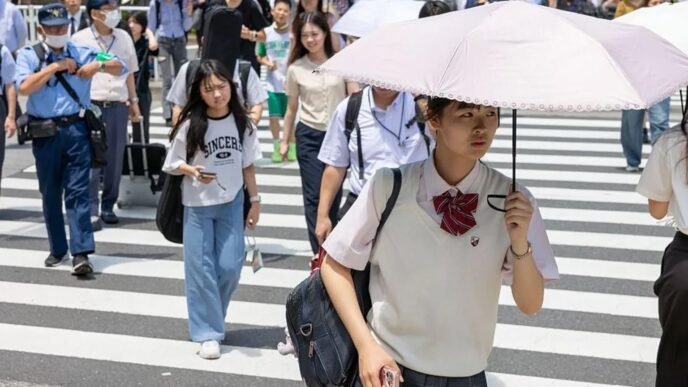


As temperatures continue to climb, Japan is urging residents to take proactive steps against heatstroke, with health experts emphasizing the importance of heat acclimation before the peak of summer. According to guidance shared by NHK, gradually helping the body adapt to warmer conditions can significantly reduce the risk of heat-related illnesses, which affect thousands of people in Japan each year.
Heatstroke occurs when the body is unable to regulate its temperature in hot and humid conditions. While many associate the condition with outdoor activities, health officials warn that it can also develop indoors, particularly in poorly ventilated spaces. In severe cases, heatstroke can become life-threatening if not treated promptly.
 WhatsApp Image 2024 07 01 at 13.58.28 4cfca4e0
Experts explain that heat acclimation helps the body become more efficient at cooling itself through sweating and improved blood circulation. By gradually exposing the body to warmer temperatures through moderate outdoor activity or exercise, people can improve their tolerance to heat before the hottest weeks of summer arrive.
Without proper acclimation, the body may struggle to release heat efficiently, increasing the likelihood of heat exhaustion or heatstroke.
Health authorities encourage people to watch for early warning signs of heat-related illness.
Common symptoms include:
● Dizziness or lightheadedness
● Flushed skin
● Muscle pain or cramps
● Heavy sweating
● Headache
● Nausea or vomiting
● Extreme fatigue
● Difficulty standing or walking
● Shortness of breath
● Numbness in the hands or feet
● Heart palpitations
● Diarrhea
Officials stress that symptoms vary from person to person, and severe cases require immediate medical attention.
Doctors recommend staying well-hydrated, replacing lost electrolytes when needed, avoiding prolonged exposure to extreme heat, wearing light clothing, and taking frequent breaks in cool environments. Elderly people, children, and those with underlying health conditions are especially vulnerable to heat-related illnesses.
1. Preventing Heatstroke
Early heat acclimation can help the body better cope with rising temperatures.
2. Protecting Public Health
Heatstroke can occur indoors or outdoors and may become fatal without timely treatment.
3. Raising Awareness
Recognizing symptoms early allows for faster medical intervention.
4. Encouraging Summer Safety
Simple preventive measures can significantly reduce the risk of heat-related illness.
As Japan prepares for another hot summer, health experts are reminding the public that heat acclimation and early prevention are key to reducing the risk of heatstroke. By recognizing symptoms, staying hydrated, and gradually adapting to warmer weather, people can better protect themselves and their families during the hottest months of the year.