
Japan’s Meteorological Agency has announced the start of the annual rainy season, known as “Tsuyu,” in the Kanto-Koshin and Tokai regions, marking the arrival of one of the country’s most important seasonal weather patterns.
The declaration signals the beginning of a period characterized by persistent rainfall, higher humidity, and changing weather conditions that typically continue into July before giving way to the summer heat.
 WhatsApp Image 2024 07 01 at 13.58.28 4cfca4e0
The rainy season plays a crucial role in Japan’s climate, agriculture, and water resources, while also bringing challenges such as flooding, landslides, and transportation disruptions.
Kanto and Tokai Regions Enter the Rainy Season
The rainy season has now officially begun across major population centers, including the Greater Tokyo area.
Affected regions include:
● Tokyo
● Kanagawa
● Chiba
● Saitama
● Ibaraki
● Tochigi
● Gunma
● Yamanashi
● Nagano
● Shizuoka
● Aichi
● Gifu
● Mie
Residents can expect more frequent rainfall, cloudy skies, and elevated humidity levels in the coming weeks.
Tsuyu, often translated as the rainy season, occurs when seasonal weather fronts bring moist air across Japan.
Typical characteristics include:
● Extended periods of rainfall
● Increased humidity
● Cloudy weather
● Occasional heavy downpours
● Flooding risks
● Landslide concerns
● Rapid weather changes
The season generally begins in early June and ends by mid-to-late July depending on the region.
Rainy Season Plays a Vital Role in Japan
While often associated with inconvenience, the rainy season is essential for maintaining Japan’s water supply and agricultural productivity.
Benefits include:
● Reservoir replenishment
● Agricultural irrigation
● Rice cultivation support
● Ecosystem sustainability
● Groundwater renewal
● Forest health
● Hydroelectric resources
The seasonal rains are particularly important for Japan’s rice-growing regions.
Authorities Urge Preparedness for Heavy Rainfall
Weather officials are encouraging residents to remain vigilant as rainfall intensity can increase rapidly during the season.
Safety recommendations include:
● Monitoring weather forecasts
● Avoiding flooded roads
● Preparing emergency supplies
● Checking evacuation routes
● Staying informed about local alerts
● Exercising caution near rivers
● Watching for landslide warnings
Urban flooding and transportation disruptions can occur during periods of intense rainfall.
Summer Tourism and Daily Life Adapt to Seasonal Weather
The rainy season influences many aspects of life throughout Japan.
Common impacts include:
● Train and transportation delays
● Changes to outdoor events
● Increased umbrella sales
● Seasonal food traditions
● Hydrangea flower viewing
● Tourism adjustments
● Rain-related travel planning
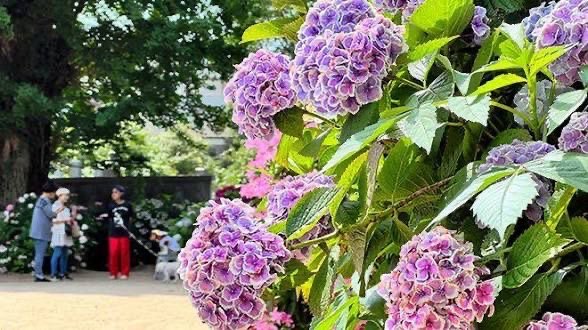
Many parks and temples become popular destinations during this period as hydrangeas bloom across the country.
Why the Start of the Rainy Season Matters
1. It Signals a Major Seasonal Transition
The arrival of Tsuyu marks the shift from spring into Japan’s humid summer period.
2. Millions of Residents Are Affected
The Kanto and Tokai regions include some of Japan’s most densely populated areas.
3. Agriculture Depends on Seasonal Rainfall
The rains support water supplies and crop production throughout the country.
Heavy rainfall can lead to flooding, landslides, and transportation disruptions.
Frequently Asked Questions (FAQs)
A: Tsuyu is Japan’s annual rainy season, typically occurring between June and July.
Q: Which areas have entered the rainy season?
A: The Kanto-Koshin and Tokai regions, including Tokyo and surrounding prefectures, have officially entered the rainy season.
Q: How long does the rainy season last?
A: It generally lasts several weeks, often ending by mid-to-late July.
Q: Why is the rainy season important?
A: It replenishes water supplies, supports agriculture, and plays a key role in Japan’s climate cycle.
Q: What precautions should people take?
A: Residents should monitor weather alerts, prepare for heavy rainfall, and stay aware of flood and landslide risks.
Final Word: Japan Begins Its Annual Season of Rain and Renewal
The start of the rainy season in the Kanto-Koshin and Tokai regions marks an important moment in Japan’s yearly climate cycle.
While the weeks ahead may bring wet weather and occasional disruptions, the rains remain essential for agriculture, water resources, and the country’s natural environment.
As residents prepare for the season, authorities continue encouraging vigilance and preparedness to ensure safety throughout the months ahead.