

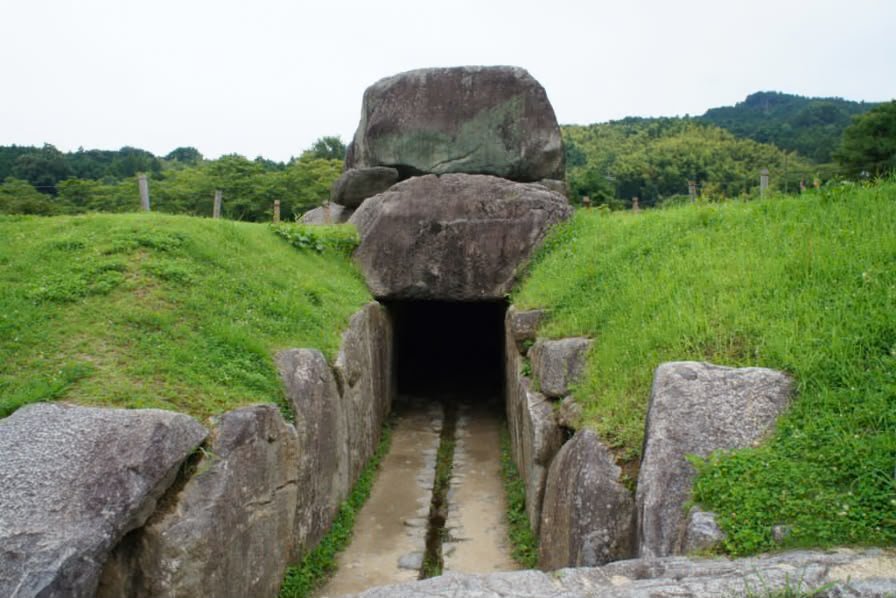
Japan’s historic capitals are set to receive global recognition as they move closer to being added to the UNESCO World Heritage List. The proposed inscription celebrates the country’s centuries-old political, cultural, and architectural legacy while highlighting the importance of preserving sites that have shaped Japanese civilization.
The recognition is expected to strengthen heritage conservation efforts and attract greater international interest in Japan’s historic destinations.
 WhatsApp Image 2024 07 01 at 13.58.28 4cfca4e0
Celebrating Japan’s Historic Legacy
Japan’s former capitals played a central role in the nation’s political, cultural, and religious development for centuries.
Key highlights include:
● Recognition of historically significant capital cities
● Preservation of centuries-old cultural landmarks
● Historic temples, shrines, and palaces
● Traditional architecture and urban planning
● Rich archaeological and historical value
● Increased global cultural recognition
● Stronger heritage conservation initiatives
These sites provide valuable insight into Japan’s rich history and enduring traditions.
Importance of UNESCO Recognition
A UNESCO World Heritage inscription acknowledges places of outstanding universal value and encourages their long-term protection.
Potential benefits include:
● Greater international recognition
● Increased cultural tourism
● Enhanced conservation funding
● Protection of historic monuments
● Educational and research opportunities
● Promotion of traditional culture
● Sustainable heritage management
The designation also raises global awareness about the importance of preserving irreplaceable cultural treasures.
Boost for Tourism and Local Communities
World Heritage status is expected to encourage more domestic and international visitors while supporting local economies.
Positive impacts may include:
● Growth in heritage tourism
● Increased opportunities for local businesses
● Promotion of traditional crafts and culture
● Job creation in the tourism sector
● Improved visitor facilities
● Greater cultural exchange
● Long-term regional development
Local communities are expected to play a key role in protecting and promoting these historic sites.
Why This Recognition Matters
1. Preserving Japanese History
The designation helps safeguard important cultural landmarks for future generations.
2. Global Cultural Recognition
UNESCO status highlights the international significance of Japan’s historic capitals.
3. Sustainable Tourism
The recognition is expected to attract visitors while encouraging responsible heritage conservation.
4. Strengthening Cultural Identity
The inscription celebrates Japan’s rich historical legacy and architectural achievements.
Final Word
The inclusion of Japan’s ancient capitals on the UNESCO World Heritage List would mark another milestone in the country’s commitment to preserving its cultural heritage. By protecting historic landmarks and promoting sustainable tourism, Japan continues to ensure that its remarkable history and traditions remain accessible and appreciated by future generations around the world.