
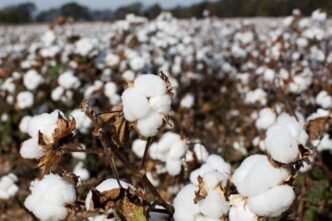
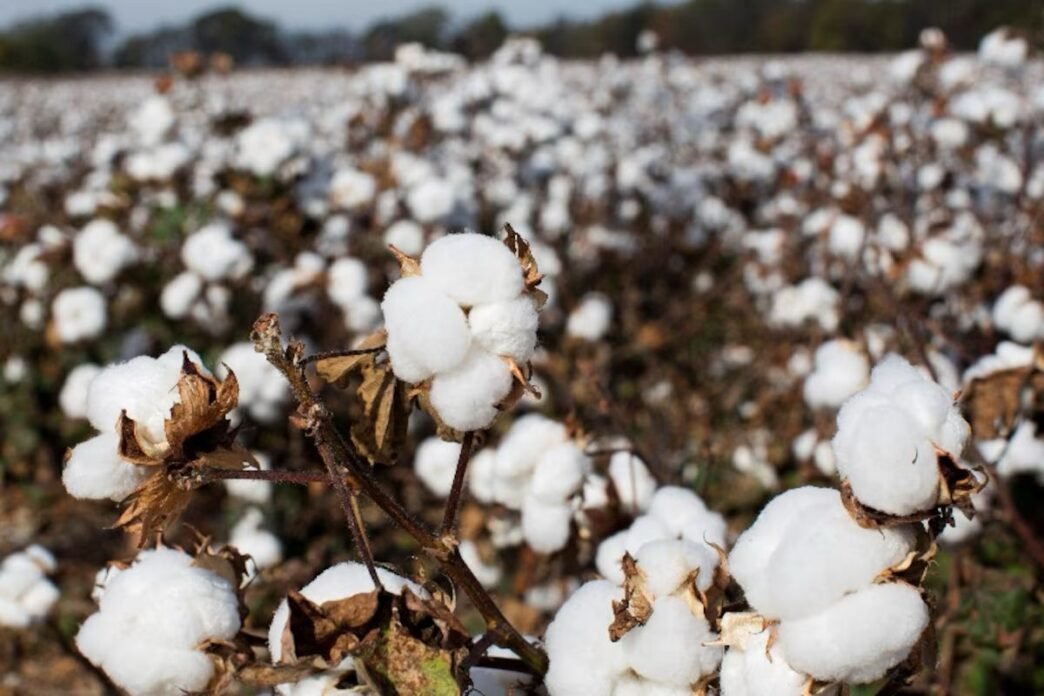
Scientists have uncovered new details about the ancient history of cotton domestication, shedding light on how one of the world’s most important textile crops evolved over thousands of years through human cultivation and agricultural development.
The research offers deeper understanding into how early civilizations transformed wild cotton plants into the globally significant crop used today in clothing, textiles, medicine, and industry.
 WhatsApp Image 2024 07 01 at 13.58.28 4cfca4e0
The findings are also helping researchers better understand the relationship between agriculture, trade, and human civilization throughout history.
Cotton Has Played a Major Role in Human Civilization
Cotton remains one of the most widely used natural fibers in the world and has shaped economies, trade networks, and industries for centuries.
The crop has historically been important for:
● Textile production
● Clothing manufacturing
● Agricultural economies
● International trade
● Traditional crafts
● Industrial development
● Rural livelihoods
Researchers say understanding cotton’s domestication history helps explain the development of early farming societies and global commerce.
Scientists Studied Cotton’s Genetic and Agricultural Evolution
The research focused on tracing how cotton evolved from wild plant species into cultivated agricultural crops through human selection and farming practices.
Areas studied included:
● Cotton genetics
● Ancient cultivation patterns
● Plant domestication processes
● Crop adaptation
● Farming innovation
● Seed development
● Historical agricultural systems
Scientists used advanced genetic analysis and historical agricultural data to better understand the crop’s long evolutionary journey.
Cotton Domestication Happened Across Multiple Regions
Researchers believe cotton domestication occurred independently in different parts of the world over long periods of time.
Historical cotton-growing regions include:
● South Asia
● Central America
● South America
● Africa
● Ancient trade regions
● Early farming civilizations
● Tropical agricultural zones
Different cotton species were cultivated and adapted to local environmental conditions and textile needs.
Ancient Farming Practices Helped Transform Cotton
Over generations, farmers selectively cultivated cotton plants with more desirable characteristics.
Traits favored through domestication included:
● Softer fibers
● Higher yield
● Easier harvesting
● Stronger textile quality
● Better climate adaptability
● Improved seed structure
● Larger fiber production
Human agricultural innovation gradually transformed cotton into one of the world’s most commercially valuable crops.
Cotton Continues Supporting the Global Economy
Today, cotton remains central to global manufacturing and trade.
Modern uses include:
● Fashion and apparel
● Medical products
● Home textiles
● Industrial materials
● Agricultural economies
● Export industries
● Sustainable fiber production
Many countries continue depending heavily on cotton farming and textile production for employment and economic growth.
Agricultural Research Helps Improve Future Crops
Modern scientific studies of crop domestication can also contribute to future agricultural development.
Potential benefits include:
● Climate-resistant crops
● Sustainable farming methods
● Improved crop yields
● Genetic conservation
● Better fiber quality
● Food and agricultural security
● Environmental adaptation research
Scientists say historical agricultural knowledge may help address future farming challenges linked to climate change and sustainability.
Why the Research Is Drawing Attention
1. Cotton Is One of the World’s Most Important Crops
The crop has shaped industries, economies, and civilizations for centuries.
2. The Study Reveals Ancient Agricultural History
Researchers uncovered new insights into how humans domesticated cotton over time.
3. Genetic Science Is Expanding Historical Understanding
Modern research tools are helping scientists trace crop evolution more accurately.
4. The Findings Could Support Future Farming Innovation
Understanding crop domestication may help improve sustainability and agricultural resilience.
Frequently Asked Questions (FAQs)
Q: What did scientists discover about cotton domestication?
A: Researchers uncovered new insights into how cotton evolved from wild plants into cultivated crops through ancient farming practices.
Q: Why is cotton historically important?
A: Cotton has played a major role in textiles, trade, agriculture, and global economic development for centuries.
Q: Where was cotton first domesticated?
A: Scientists believe cotton domestication occurred independently across multiple regions including South Asia and the Americas.
Q: How did humans domesticate cotton?
A: Farmers selectively cultivated plants with desirable traits such as softer fibers, better yields, and easier harvesting.
Q: Why does this research matter today?
A: Understanding crop evolution may help scientists improve future agricultural sustainability and crop resilience.
Final Word: Cotton’s Ancient Journey Reflects Humanity’s Agricultural Evolution
The latest scientific research into cotton domestication highlights how deeply agriculture has influenced human civilization, trade, and technological progress throughout history.
From ancient farming communities to today’s global textile industry, cotton’s evolution reflects centuries of innovation, adaptation, and human ingenuity.
As researchers continue uncovering the history of important crops, such discoveries may also help shape more sustainable and resilient agricultural systems for the future.