

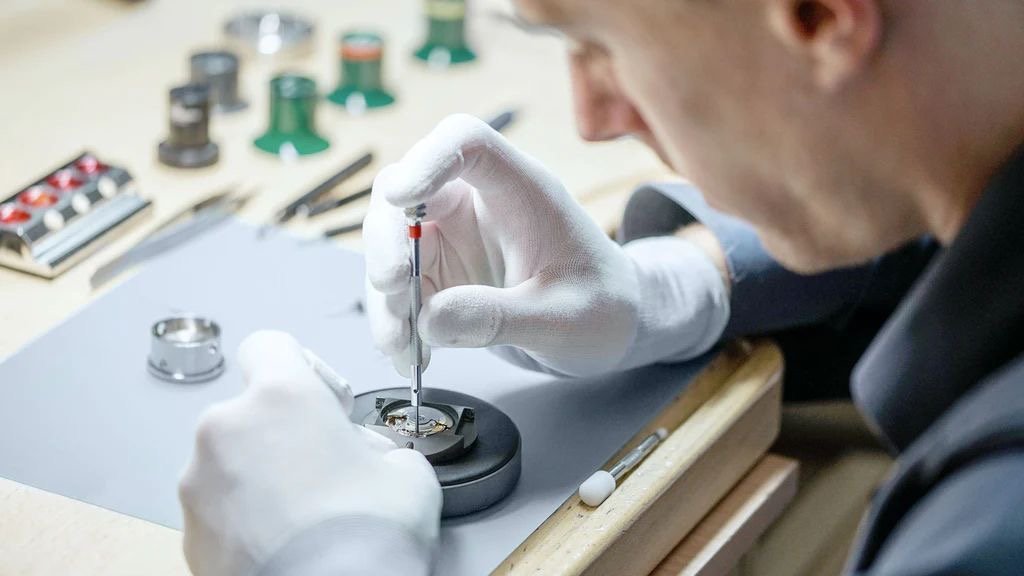
In an age dominated by smartphones and smartwatches, mechanical wristwatches with analogue displays continue to captivate enthusiasts and collectors around the world. Far from becoming obsolete, these precision-crafted timepieces have carved out a unique space where artistry, engineering, and tradition meet.
Their enduring popularity proves that some innovations never go out of style.
 WhatsApp Image 2024 07 01 at 13.58.28 4cfca4e0
A Legacy Built on Craftsmanship
Unlike digital devices powered by batteries and software, mechanical watches rely on intricate systems of gears, springs, and balance wheels that work together to measure time.
Their appeal lies in:
● Handcrafted precision
● Complex mechanical movements
● Elegant analogue displays
● Long-lasting durability
● Timeless aesthetics
● Engineering excellence
● Generational value
Each watch represents hundreds of carefully assembled components working in perfect harmony.
For many owners, a mechanical wristwatch is a statement of personality and appreciation for traditional craftsmanship.
Collectors value them for:
● Historical significance
● Unique design
● Investment potential
● Limited editions
● Heritage brands
● Mechanical innovation
● Emotional connection
Many watches are passed down through generations as family heirlooms.
Japan’s Role in Modern Watchmaking
Japan has earned a global reputation for producing reliable and innovative mechanical watches that combine advanced engineering with minimalist design.
Japanese watchmakers are known for:
● Exceptional precision
● High manufacturing standards
● Affordable luxury
● Innovative movements
● Attention to detail
● Elegant craftsmanship
● Continuous technological improvement
These qualities have helped Japanese brands gain loyal followings among collectors worldwide.
Why Analogue Watches Still Matter
Even in a world filled with digital screens, analogue watches offer an experience that technology cannot easily replace.
They provide:
● Freedom from constant notifications
● A tactile connection to craftsmanship
● Classic style suitable for any occasion
● Long-term reliability
● Sustainable repairability
● Mechanical beauty visible through transparent case backs
● A slower, more intentional appreciation of time
For many enthusiasts, wearing a mechanical watch is about celebrating tradition rather than simply telling time.
Why Mechanical Watches Continue to Flourish
1. They Represent Timeless Craftsmanship
Each movement reflects decades or even centuries—of horological expertise and innovation.
2. They Blend Art with Engineering
Mechanical watches combine functional precision with beautiful design and meticulous construction.
Unlike many digital devices, quality mechanical watches can remain functional and desirable for generations with proper care.
4. They Offer a Unique Personal Experience
Every ticking movement serves as a reminder of the craftsmanship and human ingenuity behind the timepiece.
Frequently Asked Questions (FAQs)
Q: Why are mechanical watches still popular?
A: They are valued for their craftsmanship, heritage, durability, and timeless design, making them more than simple timekeeping devices.
Q: How do mechanical watches work?
A: They use a mainspring, gears, and an escapement mechanism to measure time without relying on batteries.
Q: Why do collectors prefer analogue mechanical watches?
A: Many appreciate their engineering complexity, artistic value, historical significance, and long-term collectibility.
Q: What makes Japanese mechanical watches special?
A: Japanese manufacturers are renowned for precision engineering, reliability, innovation, and exceptional value, earning global recognition among watch enthusiasts.
Final Word: Tradition That Keeps Ticking
While digital technology continues to evolve, mechanical wristwatches remain enduring symbols of craftsmanship, precision, and personal expression. Their analogue displays and intricate movements remind us that true innovation is not always about replacing the past it is often about preserving it.
As the digital era advances, these timeless creations continue to prove that the beauty of mechanical engineering can coexist with modern technology, one tick at a time.