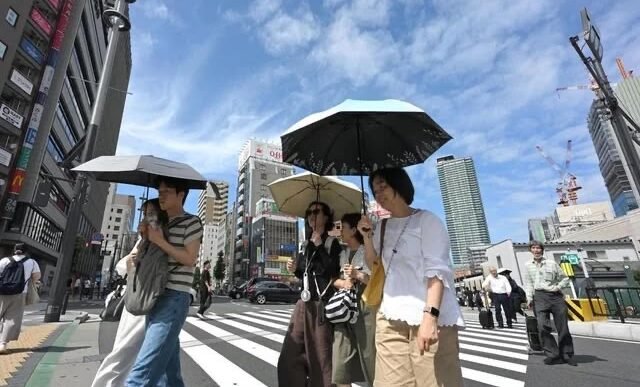
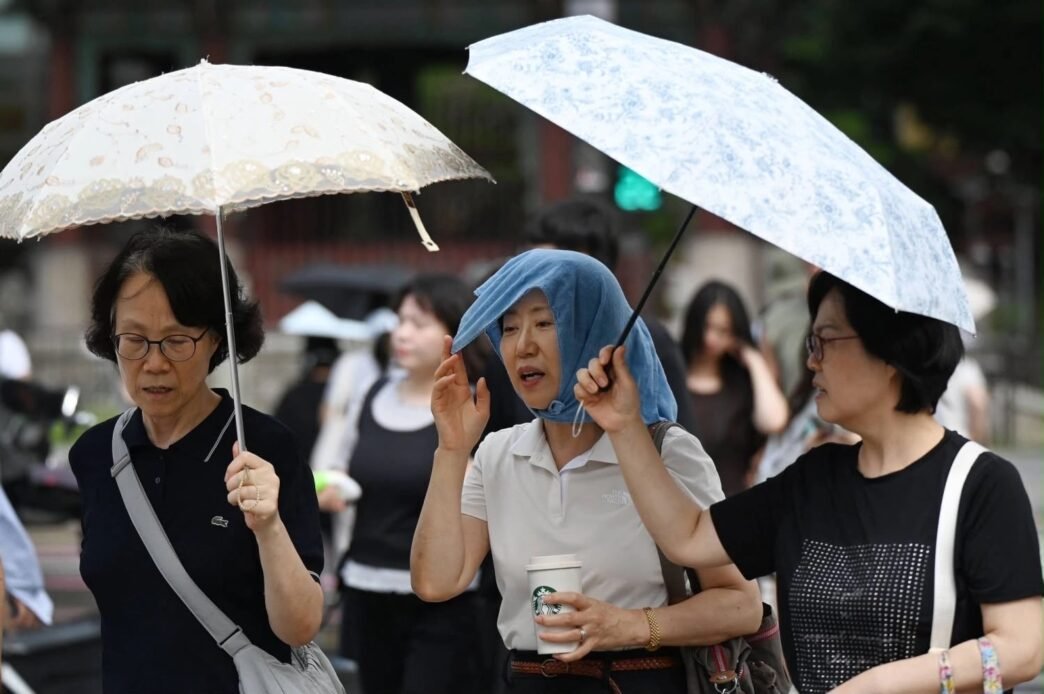
A relentless heatwave in Seoul is exposing the growing gap between the city’s wealthy and low-income residents, as soaring temperatures make access to cooling, healthcare, and comfortable housing increasingly unequal. While affluent neighbourhoods rely on air-conditioned homes and workplaces, many vulnerable residents are struggling to cope with the extreme heat.
The situation has renewed discussions about climate inequality and the need for stronger measures to protect those most at risk during prolonged periods of high temperatures.
 WhatsApp Image 2024 07 01 at 13.58.28 4cfca4e0
Unequal Impact of Extreme Heat
The heatwave is affecting residents across Seoul, but its impact varies significantly depending on income and living conditions.
Key challenges include:
● Higher electricity costs limiting air conditioner use
● Poorly insulated homes trapping heat
● Greater health risks for elderly and low-income residents
● Outdoor workers facing prolonged heat exposure
● Increased demand for public cooling centres
● Rising cases of heat-related illnesses
● Financial pressure on vulnerable households
Experts say extreme weather often affects disadvantaged communities the most.
Climate Change and Urban Living
As temperatures continue to rise, cities like Seoul are facing growing challenges in adapting to more frequent and intense heatwaves.
Areas of concern include:
● Expanding urban heat islands
● Protecting vulnerable populations
● Improving access to cooling facilities
● Strengthening public health responses
● Investing in climate-resilient infrastructure
● Reducing energy inequality
● Promoting sustainable urban planning
Officials are encouraging residents to stay hydrated, avoid unnecessary outdoor activity during peak heat, and make use of public cooling shelters where available.
The latest heatwave has intensified calls for policies that address both climate resilience and social inequality.
Suggested measures include:
● Expanding public cooling centres
● Financial support for vulnerable households
● Greener urban spaces to reduce heat
● Improved housing standards
● Better emergency heat response systems
● Public awareness campaigns
● Long-term climate adaptation planning
Many experts argue that adapting to rising temperatures will require coordinated action from governments, communities, and businesses.
The heatwave highlights how extreme weather disproportionately affects lower-income communities.
Prolonged high temperatures increase the risk of heat exhaustion and heatstroke, particularly among vulnerable groups.
Seoul’s experience underscores the growing need for climate-resilient cities and improved public infrastructure.
As heatwaves become more frequent worldwide, many cities face similar challenges in balancing climate adaptation with social equity.
The ongoing heatwave in Seoul is more than a weather event it is a reminder of how climate change can deepen existing social and economic inequalities. As temperatures continue to climb, ensuring that all residents have access to safe housing, cooling, and public support will be essential in building a more resilient and equitable future.