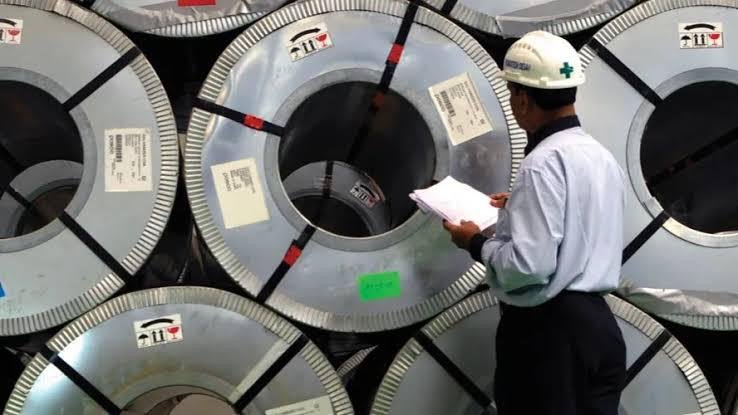
As the global steel industry faces increasing pressure to reduce carbon emissions, India, Japan, and South Korea are emerging as key partners in advancing the transition toward greener and more sustainable steel production.
By combining technological expertise, industrial capacity, and innovation-driven policies, the three Asian economies have the opportunity to build a stronger regional ecosystem for low-carbon manufacturing while supporting global climate goals.
 WhatsApp Image 2024 07 01 at 13.58.28 4cfca4e0
Experts believe trilateral cooperation could accelerate the adoption of next-generation steel technologies and strengthen Asia’s leadership in sustainable industrial development.
Green Steel Is Becoming the Future of Manufacturing
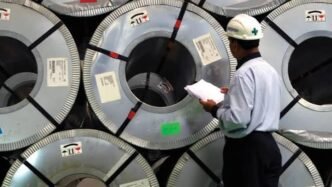
Steel remains one of the world’s most important industrial materials, but traditional production methods are also among the largest sources of carbon emissions.
Green steel initiatives focus on:
● Low-carbon manufacturing
● Hydrogen-based steel production
● Renewable energy integration
● Carbon capture technologies
● Energy-efficient processes
● Circular economy practices
● Sustainable industrial innovation
These approaches aim to reduce environmental impact while maintaining industrial competitiveness.
India, Japan and South Korea Bring Complementary Strengths
Each country contributes unique capabilities that could strengthen regional collaboration.
Potential areas of cooperation include:
● Advanced manufacturing technology
● Research and development
● Green hydrogen innovation
● Clean energy infrastructure
● Industrial investment
● Supply chain resilience
● Knowledge sharing and workforce development
Together, the three nations represent some of Asia’s most influential manufacturing and technology economies.
Green Hydrogen Could Transform Steel Production
One of the most promising pathways for green steel is the use of hydrogen instead of coal during the production process.
Potential benefits include:
● Significant carbon emission reductions
● Cleaner industrial operations
● Improved energy efficiency
● Sustainable production methods
● Support for net-zero targets
● Innovation in heavy industries
● Long-term environmental benefits
Several companies and research institutions across Asia are already investing in hydrogen-based steel technologies.
Sustainable Manufacturing Supports Economic Growth
The transition to green steel is expected to create new opportunities for businesses and industries.
Key advantages include:
● Future-ready manufacturing
● Increased global competitiveness
● Green technology investments
● High-skilled employment
● Export opportunities
● Industrial modernization
● Climate-resilient economic growth
As international markets increasingly prioritize sustainable products, green steel could become a major competitive advantage.
Regional Collaboration Can Accelerate Innovation
Partnerships between India, Japan, and South Korea could help speed up the development and commercialization of emerging technologies.
Areas for collaboration include:
● Joint research programs
● Technology transfer
● Public-private partnerships
● Cross-border investments
● Academic collaboration
● Industrial pilot projects
● Sustainable infrastructure development
Such cooperation could strengthen Asia’s position as a global leader in clean manufacturing.
Why Green Steel Collaboration Is Gaining Attention
1. Steel Is Essential to Modern Economies
Construction, transportation, infrastructure, and manufacturing all depend heavily on steel production.
2. Decarbonization Is a Global Priority
Reducing emissions from heavy industries is considered essential for achieving climate goals.
3. Asia Leads Global Steel Production
India, Japan, and South Korea are among the world’s most significant steel-producing and technology-driven economies.
4. Innovation Can Drive Sustainable Growth
Collaboration can accelerate cleaner technologies while supporting economic development and industrial competitiveness.
Frequently Asked Questions (FAQs)
A: Green steel refers to steel produced using low-carbon or carbon-neutral technologies that significantly reduce greenhouse gas emissions.
Q: Why are India, Japan, and South Korea important in this sector?
A: All three countries have strong manufacturing capabilities, advanced technology expertise, and growing commitments to sustainable industrial development.
Q: How can green steel reduce emissions?
A: By using renewable energy, hydrogen-based production methods, energy-efficient technologies, and innovative manufacturing processes instead of traditional coal-intensive methods.
Q: What industries could benefit from green steel?
A: Construction, automotive, infrastructure, renewable energy, transportation, and heavy manufacturing sectors could all benefit from sustainable steel production.
Q: Why is regional cooperation important?
A: Collaboration enables technology sharing, investment, innovation, and faster development of sustainable industrial solutions across Asia.
Final Word: A Shared Vision for Asia’s Sustainable Industrial Future
The growing focus on green steel presents a unique opportunity for India, Japan, and South Korea to redefine the future of heavy industry through innovation and collaboration.
By combining technological leadership, manufacturing excellence, and a shared commitment to sustainability, the three nations can help build a cleaner, more resilient industrial ecosystem while contributing to global climate objectives.
As demand for low-carbon materials continues to rise, trilateral cooperation on green steel could become a cornerstone of Asia’s next generation of sustainable economic growth.