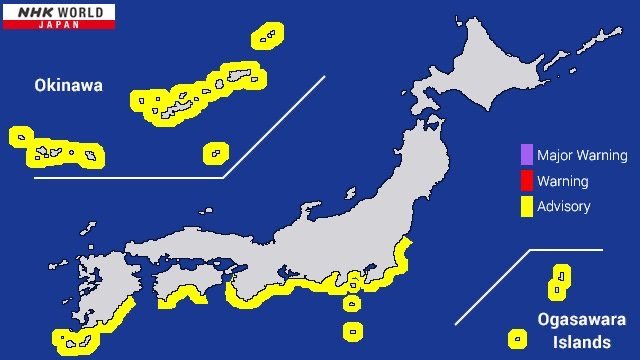
Japanese authorities have issued tsunami advisories for multiple regions along the Pacific coast, urging residents to remain away from coastlines, river mouths, and low-lying coastal areas until all advisories are officially lifted.
While officials have stated that there is currently no expectation of major tsunami damage, they warn that waves can become significantly higher than anticipated and may pose risks to people near the shoreline.
 WhatsApp Image 2024 07 01 at 13.58.28 4cfca4e0
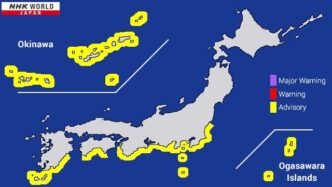
The advisories affect a broad area stretching from eastern Japan to Okinawa and the remote island regions in the south.
Authorities Urge Residents to Stay Away from Coastal Areas
Emergency officials have emphasized that even relatively small tsunami waves can generate dangerous currents and sudden water surges.
Residents in affected areas are advised to:
● Avoid beaches and coastlines
● Stay away from river mouths
● Follow local evacuation guidance
● Monitor official updates
● Avoid unnecessary travel near affected waters
● Remain alert for changing conditions
● Return only after advisories are lifted
Authorities stress that the first wave is not always the largest and conditions can remain hazardous for several hours.
Tsunami Advisories Cover a Wide Area of Japan
The advisory includes numerous coastal regions across the country.
Affected areas include:
● Ibaraki Prefecture
● Chiba Prefecture
● Tokyo’s Izu Islands
● Ogasawara Islands
● Sagami Bay and Miura Peninsula
● Shizuoka Prefecture
● Aichi Prefecture
● Mie Prefecture
● Wakayama Prefecture
● Kochi Prefecture
● Miyazaki Prefecture
● Kagoshima Prefecture
● Amami Islands
● Okinawa Main Island Region
● Miyako and Yaeyama Islands
Forecasts indicate sea-level fluctuations and tsunami waves of up to approximately one meter in some locations.
Okinawa and Southern Islands Among Earliest Affected Areas
Several southern island regions reported some of the earliest observed sea-level changes.
Areas including:
● Okinawa Main Island
● Ishigaki Island
● Ogasawara Islands
● Amami Islands
● Daito Islands
● Yaeyama Islands
recorded or were expected to record tsunami-related sea-level variations during the advisory period.
Authorities continue monitoring coastal conditions throughout the affected regions.
Even Small Tsunamis Can Be Dangerous
Experts regularly remind the public that tsunami dangers are not determined solely by wave height.
Potential hazards include:
● Strong ocean currents
● Sudden water surges
● Flooding in low-lying areas
● Dangerous harbor conditions
● River overflow risks
● Coastal erosion
● Marine transportation disruptions
Many tsunami-related accidents occur when individuals approach the shoreline to observe conditions.
Japan Maintains Advanced Tsunami Preparedness Systems
As one of the world’s most earthquake- and tsunami-prone countries, Japan maintains sophisticated monitoring and warning systems.
These systems include:
● Real-time seismic monitoring
● Coastal observation networks
● Emergency alert systems
● Evacuation planning
● Disaster education programs
● Municipal emergency coordination
● Public warning broadcasts
The country’s preparedness framework is designed to provide rapid information to communities when coastal hazards arise.
Why This Advisory Is Receiving Attention
1. A Large Portion of Japan’s Coastline Is Affected
The advisory spans multiple prefectures and island regions across the Pacific coast.
2. Authorities Are Stressing Continued Caution
Residents have been told not to return to coastal areas until advisories are officially lifted.
3. Small Waves Can Still Pose Serious Risks
Strong currents and sudden surges can be dangerous even without major flooding.
4. Disaster Preparedness Remains Critical
The situation highlights the importance of Japan’s emergency response and public safety systems.
Frequently Asked Questions (FAQs)
Q: Has Japan issued a tsunami warning?
A: Authorities have issued tsunami advisories for several coastal regions, advising caution and temporary evacuation from vulnerable areas.
Q: Are large tsunami waves expected?
A: Officials have indicated that major tsunami damage is not expected, but sea-level changes and waves of around one meter may occur.
A: Coastal regions from eastern Japan through Shikoku, Kyushu, Okinawa, and several island chains are included in the advisory.
Q: Why should people stay away from the coast?
A: Even relatively small tsunami waves can create dangerous currents, flooding, and sudden water movements.
A: Residents should follow official guidance and only return after local authorities announce that advisories have been lifted.
Final Word: Vigilance Remains Essential Along Japan’s Coast
Although authorities do not currently anticipate significant tsunami damage, the widespread advisories serve as an important reminder of the risks associated with coastal hazards.
Residents and visitors in affected regions are encouraged to follow official instructions, avoid shorelines, and remain informed through local emergency updates.
Japan’s extensive disaster preparedness systems continue to play a vital role in protecting communities as officials monitor conditions and assess any further developments.